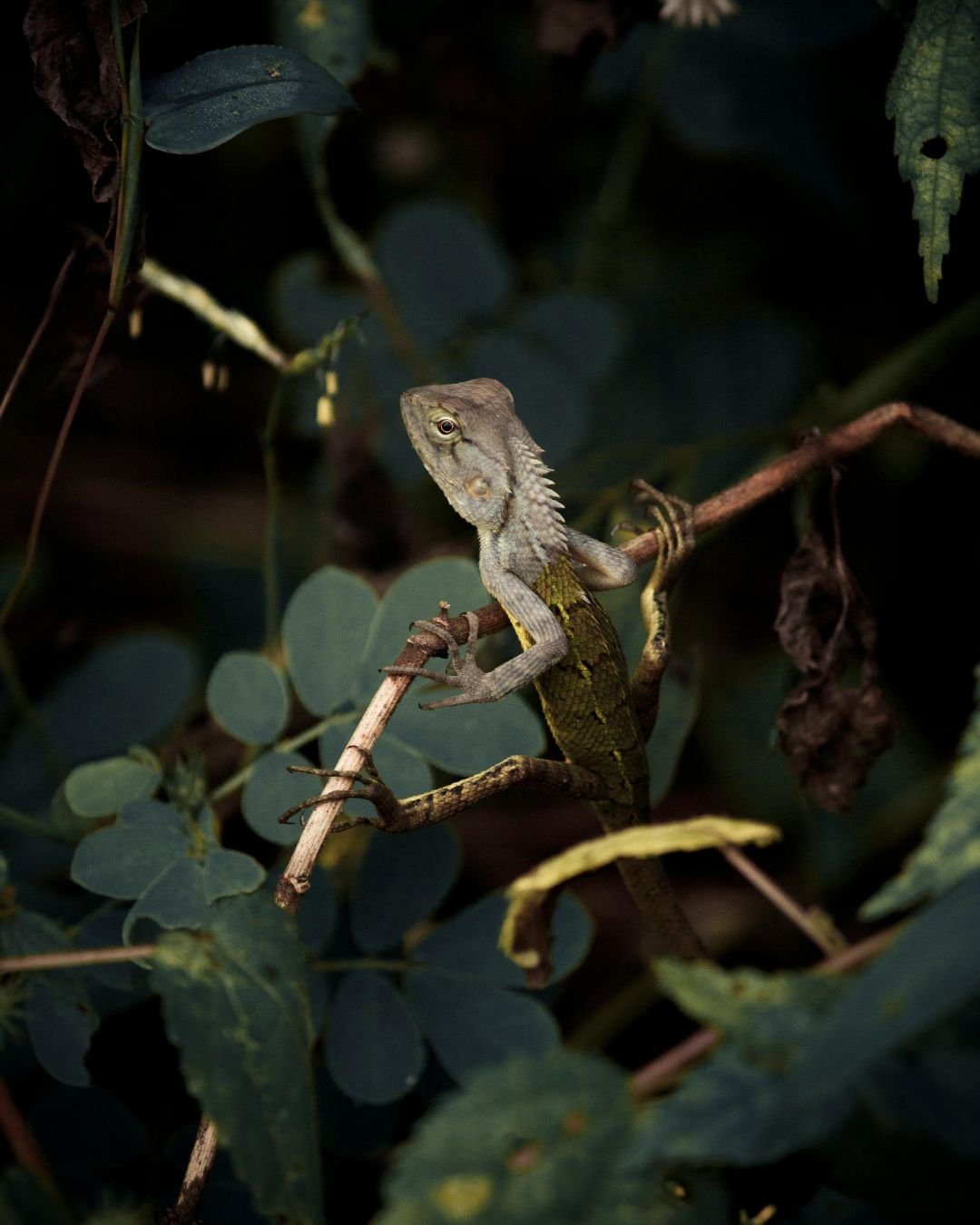
A bearded dragon that isn’t moving is one of the most common triggers for owner anxiety, and one of the situations where the difference between “completely normal” and “needs a vet today” is most stark.
Most of the time, a still bearded dragon is simply doing what bearded dragons do: basking, resting, or preparing for a shed. A small percentage of the time, it’s a sign that something is genuinely wrong. Here’s how to read the difference.

A still dragon is usually a fine dragon, basking, resting, shedding, or brumating. The single question that sorts normal from serious isn't "is it moving?" but "does it respond normally when I gently disturb it?" A calm, slow response is fine. No response, at correct temperature, is the one that earns a vet call.
🐉 The Range of Normal: Why Stillness Is Often Fine
Bearded dragons are not constantly active animals. Wild bearded dragons spend significant portions of their day stationary, basking, thermoregulating, waiting for prey, or resting during the hottest part of the day. Captive dragons do the same.
Normal inactivity looks like:
- Dragon is in a basking posture, body flat and spread, under the heat lamp
- Dragon is resting in a hide or on the cool side
- Dragon is awake and alert but not moving, watching the environment calmly
- Dragon is moving slowly, this is different from not moving at all
The key question isn’t “is my dragon moving?” It’s “does my dragon respond normally when it should?”
A dragon that doesn’t move for 4 hours while basking and then immediately becomes active and eats well is fine. A dragon that doesn’t move for 4 hours and doesn’t respond to being gently disturbed is not fine.
🌡️ Cause 1: Temperature Is Wrong
The most common cause of a motionless bearded dragon, and the first thing to check every single time.
Bearded dragons are ectotherms. When the enclosure is cold, their metabolic rate drops. They become slow, then still, then unresponsive. It’s not illness, it’s physiology. But the physiological consequences of sustained cold are real: immune suppression, digestive failure, and vulnerability to secondary infections.
If it doesn’t respond to reaching correct temperature, the cause is something else.
How to confirm temperature is the cause:
- Check the basking surface with an infrared thermometer: must read 100-110°F
- Check the cool side: should be 78-82°F
- Check room temperature: if the room is below 65°F, the enclosure may be cold even with heating on
The test: A cold bearded dragon placed in the correct temperature environment will usually become gradually more active over 30-60 minutes as it warms up. If it doesn’t respond to reaching correct temperature, the cause is something else.
❄️ Cause 2: Brumation
A brumating adult bearded dragon may be nearly motionless for days at a time. This is expected and completely normal during fall and winter months.
Signs brumation is the cause:
- Adult dragon (12+ months)
- Fall or winter timing
- Increasing sleep and decreasing activity over the past weeks leading up to current stillness
- Dragon responds (slowly) when disturbed, it’s not unresponsive, just deeply resting
- No physical symptoms when briefly active
What to do: Leave it alone. Offer water through periodic baths (every 2-3 weeks). Offer food every 3-5 days, remove if not eaten. Monitor weight to ensure gradual loss is not becoming rapid loss.
🔄 Cause 3: Shedding
Pre-shed and active-shed periods significantly reduce activity. A dragon in the middle of a shed cycle may be nearly motionless, spending most of the day hiding and resting.
Signs shedding is the cause:
- Dull, grayish or whitish skin tone
- Skin starting to separate at the face or extremities
- Dragon is in a hide or under decor more than usual
- No appetite but otherwise appears physically normal
What to do: Increase bathing to 20-minute warm soaks every 2-3 days. Let the dragon rest. Activity returns to normal after the shed completes.
😴 Cause 4: Normal Rest and Sleep
Adult bearded dragons, particularly in the afternoon, will rest in extended periods of stillness that aren’t brumation or illness. Full adults simply don’t have the constant activity level of juveniles.
Signs this is normal rest:
- Occurs at predictable times (afternoon rest is common)
- Dragon is warm, enclosure temperatures are correct
- The stillness resolves, the dragon becomes active again before lights-off
- Appetite and stool are normal
- Eyes are clear when open
🤒 Cause 5: Illness
Illness-related immobility is distinguished from the above by its persistence, its context-independence (the dragon is still regardless of temperature and time of day), and its accompanying signs.
Signs illness may be the cause:
- Dragon doesn’t rouse when enclosure reaches full temperature
- Has been still for more than 24 hours outside of brumation context
- Appears weak, can’t hold its body up off the ground, limbs don’t support normal weight
- Eyes are sunken, partially closed, or show discharge
- Any physical symptoms: mucus, swelling, abnormal coloring that doesn’t change
- Was eating and acting normally within the past week and abruptly stopped
Common illnesses causing profound immobility:
- Severe infection (bacterial, parasitic, viral)
- Metabolic bone disease, advanced stage prevents normal movement
- Impaction, pressure on spinal cord causes progressive rear-limb weakness leading to full immobility
- Adenovirus neurological presentation
- Severe dehydration
- Toxin exposure
📊 The Diagnostic Framework: Reading the Full Picture
When your dragon isn’t moving, work through this in order:
| Question | If Yes | If No |
|---|---|---|
| Is the enclosure temperature correct? | Continue checklist | Correct temperature first, reassess in 60 min |
| Is it fall/winter and is the dragon an adult? | Likely brumation | Not brumation |
| Does the skin look dull/whitish? | Likely shedding | Not shedding |
| Does the dragon respond to gentle disturbance? | Resting or brumating | Concerning, check for illness |
| Are eyes clear and body weight normal? | Likely non-illness cause | Consider illness |
| Any physical symptoms (discharge, swelling)? | Illness likely | Monitor closely |
| Duration more than 24 hours with no other explanation? | Vet visit warranted | Continue monitoring |
🚨 When Not Moving Is an Emergency
Act within the same day if:
- Dragon is completely unresponsive, doesn’t react to being gently touched or picked up
- Rear limbs are paralyzed or unable to support the dragon’s weight
- Star gazing (head tilted dramatically backward), neurological emergency
- Dragon is lying flat on its side, unable to hold normal posture
- Any combination of immobility + rapid breathing + mucus visible
- Dragon was active yesterday and is completely unresponsive today with no obvious cause
📚 Recommended Reading: Why Is My Bearded Dragon Not Eating? 9 Reasons and How to Fix Each One.
✅ Takeaways
- Most bearded dragon immobility is normal, basking, resting, shedding, and brumation are all legitimate explanations
- Temperature is the first check every time, a cold dragon is motionless by physiology, not illness
- The diagnostic question is responsiveness: does the dragon respond normally when disturbed? Non-responsive = concerning
- Brumation produces days-long near-immobility in adults during fall/winter, this is expected
- Illness-related immobility persists despite correct temperature, is accompanied by physical symptoms, and doesn’t follow a seasonal or behavioral pattern
- Rear limb paralysis, complete unresponsiveness, star gazing, and inability to hold normal posture are same-day emergencies
- Duration matters: 24+ hours of unexplained immobility with no brumation or shedding context warrants a vet call
Common questions
Why is my bearded dragon not moving?+
How can I tell if my bearded dragon is brumating or sick?+
When is a motionless bearded dragon an emergency?+

Beardies World Editorial Team
Every guide on Beardies World is written and maintained by our editorial team. We are not veterinarians, and these guides are general care information, not a substitute for an exam. If your dragon seems unwell, see a reptile vet. If you spot a mistake, email info@beardiesworld.com and we will correct it.
How we write and correct our guides →