
Habitat Library

Bearded Dragon Habitat & Tank Setup

A bearded dragon's health starts with the tank, not the dragon. Get the setup wrong: low UVB, the wrong size enclosure, no real temperature gradient, and you'll spend months chasing health problems that were never about the dragon at all.

Size is where most setups go wrong first. A single adult bearded dragon needs at minimum a 40-gallon tank, though 75 gallons or a 4-foot enclosure gives it real room to move, bask, and thermoregulate properly. Babies can start smaller, but they outgrow a 20-gallon tank within months, so most keepers save money by building for adult size from day one.

40galMinimum adult tank
95-110°FBasking spot
6-12moUVB replacement
5 guides40gal min
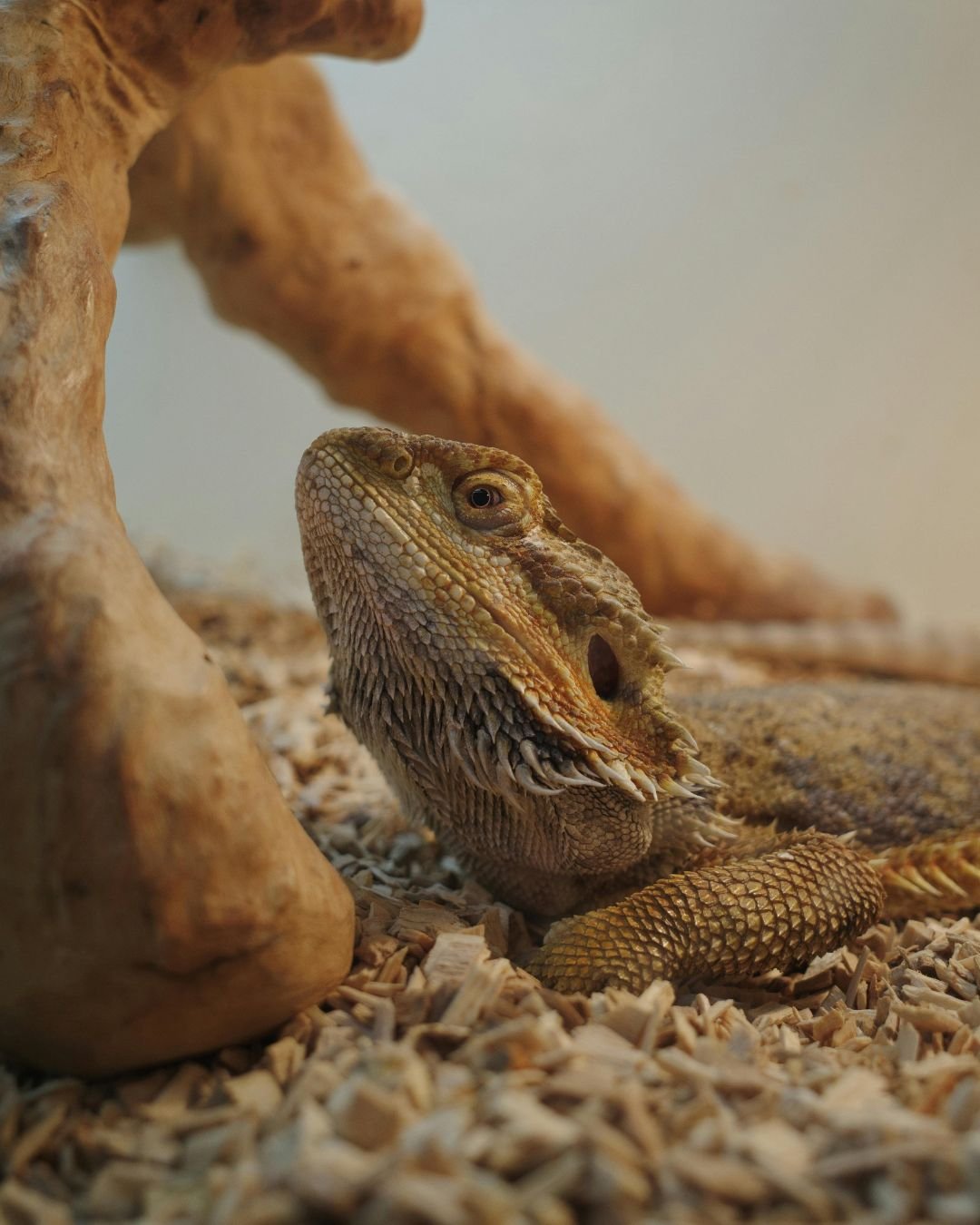
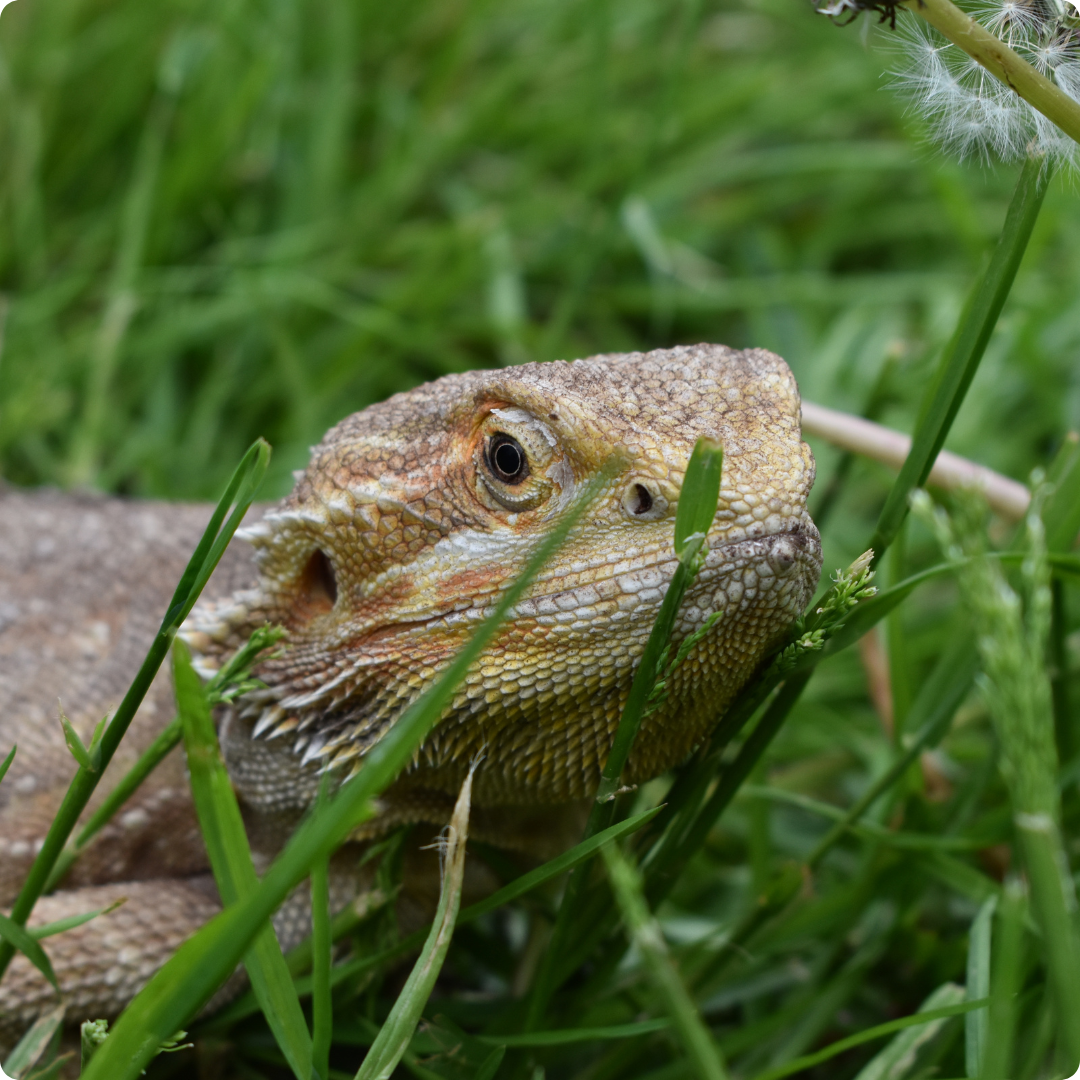
Bearded dragon enclosure with UVB lighting and a basking setup

Temperature and lighting do the heavy lifting after that. A bearded dragon needs a basking spot between 95 and 110 F, a cooler side in the mid-80s, and UVB lighting running 10 to 12 hours a day from a quality T5 fixture. Zoo Med's Reptisun and Arcadia's ProT5 are two of the most trusted names in reptile UVB, and either should be replaced every 6 to 12 months, since output fades before the bulb looks any different. Skip UVB or run an old bulb, and calcium from the diet stops absorbing properly, no matter how well you're feeding.

Beardie saysA bearded dragon needs a basking spot between 95 and 110 F.

Substrate is the most argued-over piece of gear in the hobby, and for good reason. Loose sand and calcium sand carry real impaction risk for younger dragons especially, while tile, reptile carpet, or paper towel-lined setups cost less and carry zero risk. Most experienced keepers land on tile for exactly that reason.

This hub is still growing. Below are the setup and equipment guides live right now, covering tank setup, lighting schedules, and substrate choices in detail, with more habitat guides on temperature gradients, hides, and enclosure decor coming as the library expands. I'm Aqib Ali, and habitat is the one area where spending a bit more upfront saves you from health issues you'd otherwise chase for years.

i

This is our smallest library right now, five guides against a much bigger topic. More habitat guides on temperature gradients, hides, and enclosure decor are already in production. Check back, or start with what's live below.

Common questions

Bearded Dragon Habitat: Common Questions

How do you set up a bearded dragon tank?+
A bearded dragon tank setup needs a minimum 40-gallon enclosure, a basking bulb reaching 95 to 110 F on one side, UVB lighting running the full length of the tank, a solid substrate like tile or reptile carpet, and a cool side in the mid-80s so your dragon can move between temperatures.
What lighting does a bearded dragon need?+
A bearded dragon needs a basking bulb for heat and a separate UVB bulb for calcium absorption, both running 10 to 12 hours a day on a timer. Replace the UVB bulb every 6 to 12 months, since UVB output drops well before the bulb burns out or looks different.
What is the best substrate for a bearded dragon?+
Tile, reptile carpet, and paper towels are the safest substrate choices, especially for young bearded dragons, since they carry no impaction risk. Loose sand and calcium sand look natural but can cause impaction if ingested, so most experienced keepers avoid them, particularly under a year old.
What size tank does a bearded dragon need?+
An adult bearded dragon needs at least a 40-gallon tank, with 75 gallons or a 4x2 foot enclosure recommended for full-grown adults to move and bask comfortably. Babies can start in a smaller 20-gallon tank but outgrow it within months.
What temperature should a bearded dragon tank be?+
A bearded dragon tank needs a basking spot between 95 and 110 F, a cool side in the mid-80s, and a nighttime drop into the 65 to 75 F range without extra heat for most adult dragons. Use a digital thermometer at both ends to confirm the gradient, not just the thermostat setting.