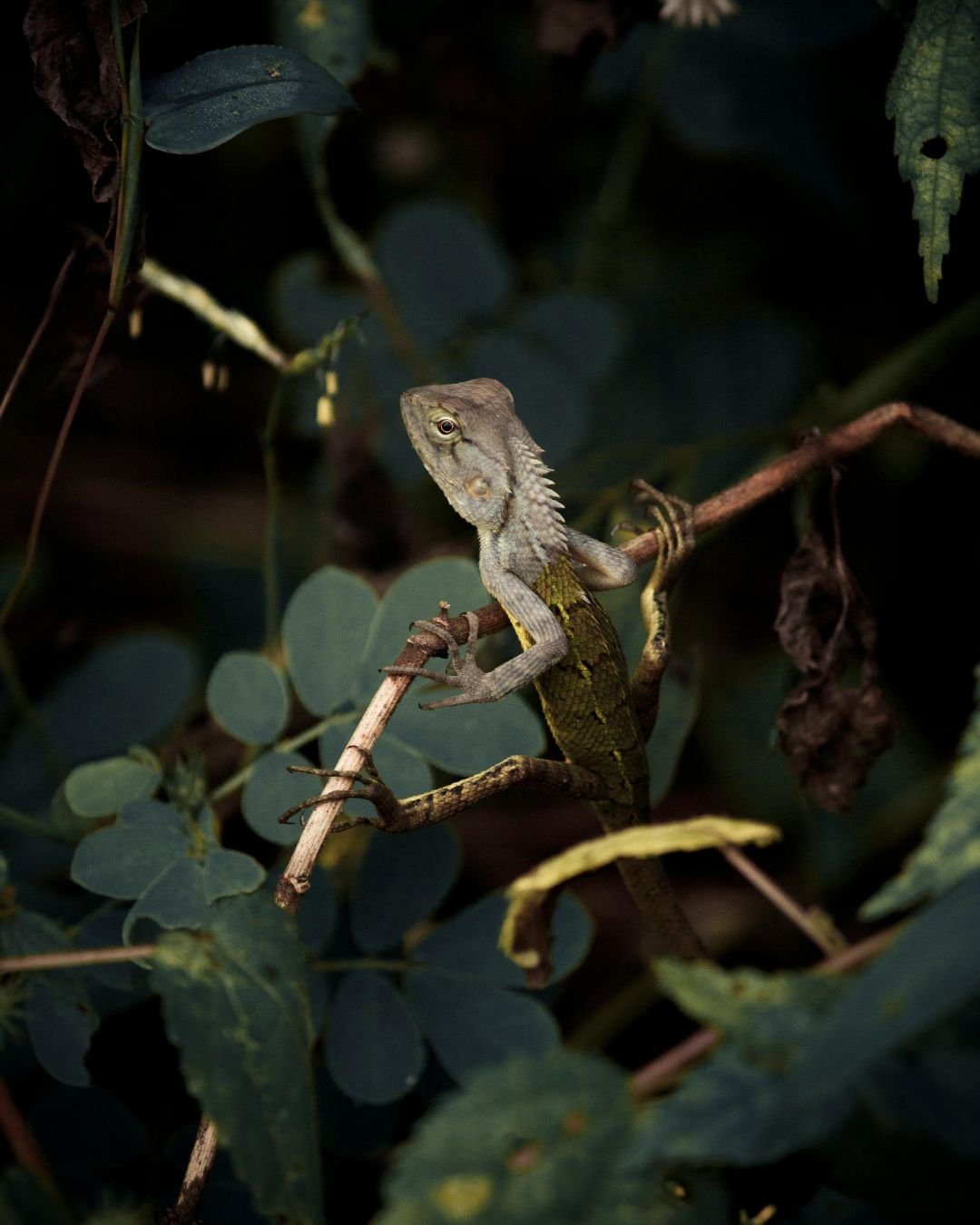
Bananas are in almost every kitchen. They’re easy, soft, and your bearded dragon will probably eat one without thinking twice. That convenience makes them one of the most over-fed fruits in the hobby.
The issue with bananas isn’t flavor or digestibility. It’s a specific nutritional conflict that most care guides mention briefly, and almost none explain clearly enough for it to actually change your feeding habits.
Here’s what you need to understand before you peel another banana near your dragon’s enclosure.

Bananas have the worst calcium-to-phosphorus ratio of any fruit I eat, about 1 to 4, so the phosphorus actually blocks the calcium you dust on my bugs. A small slice once or twice a MONTH, not weekly. Raspberries are a far better pick.
🍌 Can Bearded Dragons Eat Bananas? The Short Answer
Yes, bearded dragons can eat bananas. They are not toxic. They won’t cause immediate harm in a single serving.
But bananas have the worst calcium-to-phosphorus ratio of any commonly offered fruit, roughly 1:3, meaning there’s three times more phosphorus than calcium per serving. For a reptile whose primary dietary concern is calcium sufficiency, that ratio is a problem worth taking seriously.
Bananas belong in the rotation as a rare treat. Not weekly. Not as a go-to fruit. Once or twice a month is the appropriate ceiling, less if your dragon’s UVB setup is suboptimal or supplementation is inconsistent.
📊 Banana Nutrition Breakdown: The Problem Is in the Numbers
Per 100g of raw banana (approximate values):
| Nutrient | Amount | Significance |
|---|---|---|
| Water | ~75g | Moderate moisture content |
| Sugar | ~12g | High, mostly fructose and glucose |
| Calcium | ~5mg | Very low |
| Phosphorus | ~22mg | High, ~4x the calcium |
| Potassium | ~358mg | Very high, concern at excess levels |
| Vitamin C | ~8.7mg | Moderate |
| Vitamin B6 | ~0.4mg | Useful for metabolism |
| Fiber | ~2.6g | Reasonable digestive support |
| Magnesium | ~27mg | Moderate |
Two numbers stand out: the calcium-to-phosphorus ratio (~1:4.4) and the potassium content (358mg per 100g).
The potassium concern is separate but real, high potassium intake over time can interfere with heart function in reptiles.
The phosphorus issue is covered in the next section. The potassium concern is separate but real, high potassium intake over time can interfere with heart function in reptiles. A banana once a month won’t cause hyperkalemia. A banana three times a week over six months is a different story.
⚠️ The Phosphorus Problem Explained
Here’s the core issue, explained clearly:
Calcium and phosphorus compete for absorption in the digestive tract. When phosphorus is significantly higher than calcium in a meal, the phosphorus binds available calcium and blocks it from entering the bloodstream. The calcium passes through unabsorbed.
This isn’t a minor inconvenience. It directly undermines every calcium supplement you dust onto insects. It means your dragon is eating “calcium-supplemented” meals but absorbing less of that calcium than the label implies.
Over time, weeks and months of regular high-phosphorus feeding, this calcium deficit accumulates. The body compensates by pulling calcium out of bones and other tissues. The result is metabolic bone disease (MBD): soft bones, muscle tremors, deformed limbs, and eventually inability to walk.
The safe Ca:P ratio for bearded dragon foods is 1:1 or higher (more calcium than phosphorus). Bananas sit at approximately 1:4, four times more phosphorus than calcium.
For context:
- Collard greens: ~5:1 (Ca:P), excellent
- Dubia roaches: ~1:1, balanced
- Strawberries: ~0.7:1, treat range, acceptable occasionally
- Grapes: ~0.5:1, treat range, limit
- Bananas: ~1:4, worst common fruit option
Here’s where things change: a banana twice a month in a dragon eating collard greens daily, properly gutloaded dubias, and correctly dosed calcium supplements? The dietary math still works out. It’s the cumulative load across a week’s worth of feedings that creates genuine risk.
🔢 Does Banana Peel Change the Equation?
You may have seen this claim: banana peel has a better calcium-to-phosphorus ratio than banana flesh, making it the “safer” part to feed.
This is technically true but practically irrelevant for most setups. Banana peel contains more calcium relative to phosphorus than the flesh does, but it also carries a concentrated pesticide load from conventional farming. Unless you’re using organic bananas with confirmed pesticide-free peels, feeding the peel introduces more risk than it solves.
If you have access to certified organic bananas and want to offer small pieces of washed peel occasionally, it’s not dangerous. But it’s not a meaningful nutritional upgrade worth engineering into your feeding routine.
Stick to the flesh. Keep servings small. Keep frequency low.
✅ How to Feed Bananas Safely
When you do offer banana:
- Peel completely. No skin unless using certified organic and thoroughly washed.
- Small piece only. A slice roughly the size of your dragon’s head is more than enough for one serving. Don’t fill the bowl.
- Mash for babies. If you’re offering banana to a juvenile, mash it into a paste and mix it into greens so it doesn’t get eaten in one gulp. Better yet, choose a lower-sugar fruit option instead.
- Don’t combine with other high-phosphorus foods the same day. If banana is in the bowl, make sure the greens that day are all top-tier calcium sources: collard, mustard, dandelion, turnip greens.
- Never feed on a day with reduced supplements. Given banana’s phosphorus load, calcium dusting that day is non-negotiable.
- Skip it entirely if your UVB is questionable. If you’re not confident your UVB bulb is delivering adequate output, this isn’t the treat to keep in rotation.
🔄 Frequency Guidelines by Age
| Age | Safe Frequency | Notes |
|---|---|---|
| Baby (0-3 months) | Never | No fruit at this stage. Protein and calcium are the entire priority. |
| Juvenile (3-12 months) | Once a month max | Occasional tiny piece only. Never replace a greens serving. |
| Adult (12+ months) | Once or twice a month | Small slice, not a full banana. Ensure strong greens day. |
This is stricter than most “treat fruit” guidance, and intentionally so. The phosphorus load makes bananas a worse trade-off than almost any other common fruit. There are better options to spend your weekly treat allowance on.
🍓 Fruit Alternatives With Better Nutritional Profiles
If banana is currently in your regular rotation, these alternatives are meaningfully better choices:
| Fruit | Ca:P Ratio | Sugar (per 100g) | Better Than Banana Because… |
|---|---|---|---|
| Raspberries | ~0.9:1 | ~4.4g | Far better Ca:P, much lower sugar |
| Papaya | ~1:1 | ~8g | Balanced Ca:P, digestive enzymes |
| Strawberries | ~0.7:1 | ~4.9g | Lower sugar, better Ca:P ratio |
| Blueberries | ~0.6:1 | ~10g | Antioxidants, lower sugar |
| Mango | ~0.5:1 | ~14g | Better Ca:P even if higher sugar |
| Banana | ~1:4 | ~12g | Worst Ca:P of common fruits |
Raspberries are the standout choice. Low sugar, best Ca:P ratio of commonly available fruits, and most dragons accept them readily.
📚 Recommended Reading: the Bearded Dragon Food Chart and the complete diet guide What Do Bearded Dragons Eat?
✅ Takeaways
- Bananas are not toxic to bearded dragons but have the worst calcium-to-phosphorus ratio (~1:4) of any commonly fed fruit
- High phosphorus actively blocks calcium absorption, it works directly against your supplementation efforts
- Offer bananas at most once or twice per month for adults; avoid entirely for babies and offer only occasionally to juveniles
- Banana peel has a better Ca:P ratio but carries heavy pesticide load, only offer if certified organic and thoroughly washed
- Always pair a banana serving day with high-calcium staple greens and consistent calcium dusting
- Raspberries, papaya, and strawberries are better fruit options across every meaningful nutritional measure
- The risk from bananas is cumulative, not acute, a single banana causes no harm; regular banana feeding over months becomes a real dietary liability
Common questions
Can bearded dragons eat bananas?+
Why are bananas bad for bearded dragons?+
Can bearded dragons eat banana peel?+

Beardies World Editorial Team
Every guide on Beardies World is written and maintained by our editorial team. We are not veterinarians, and these guides are general care information, not a substitute for an exam. If your dragon seems unwell, see a reptile vet. If you spot a mistake, email info@beardiesworld.com and we will correct it.
How we write and correct our guides →