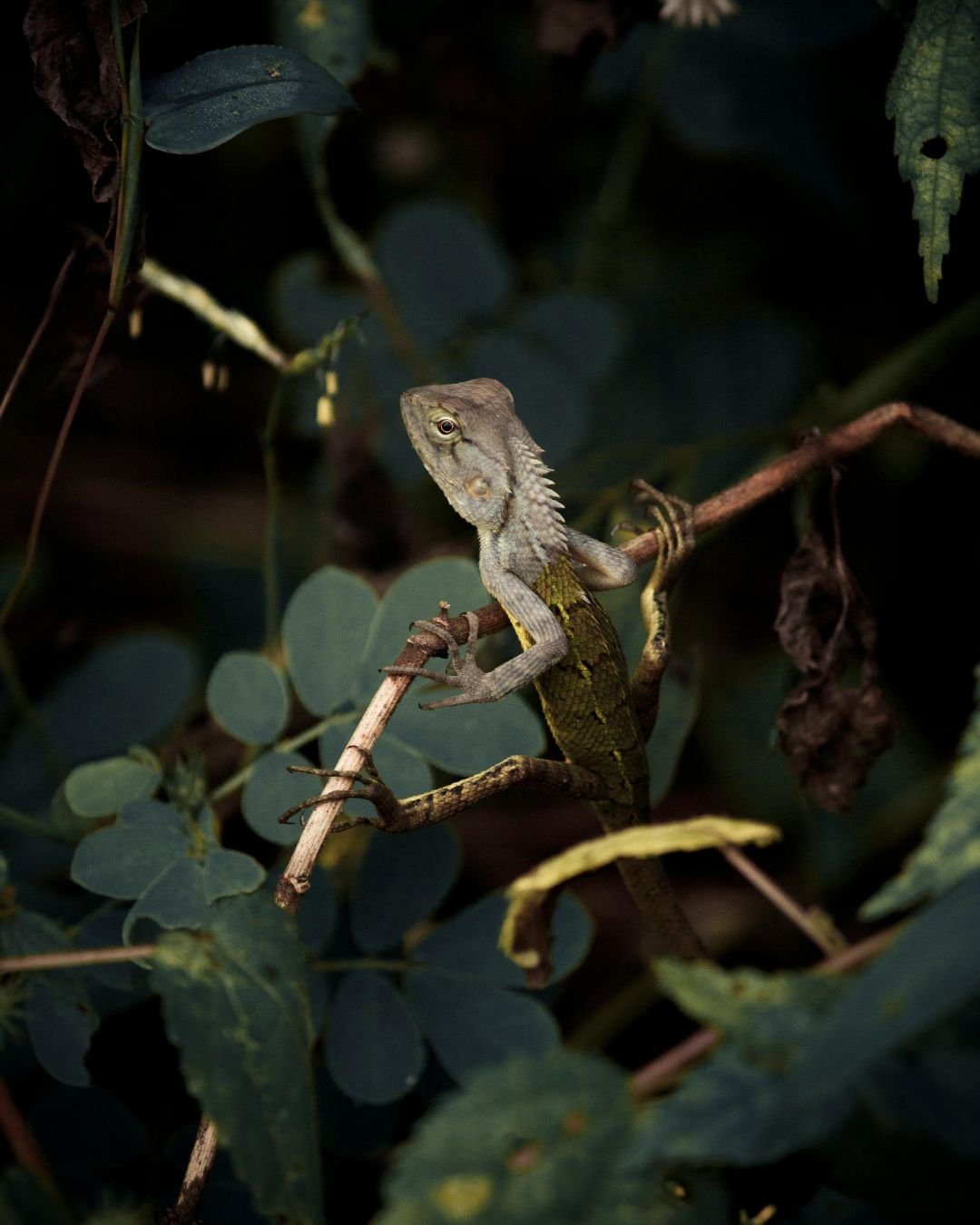
Ask most bearded dragon owners to name the best vegetables for their dragon and you’ll hear collard greens, maybe dandelion, possibly mustard greens. Bell peppers rarely come up. That’s a gap worth closing.
Bell peppers are one of the safest, most nutritionally useful additions to a bearded dragon’s vegetable rotation, and most dragons eat them enthusiastically. The color you choose actually matters.

Bell peppers are one of my safest veggies, no oxalates, no goitrogens, just vitamins A and C and a color I can't resist. Red for vitamin A, yellow for vitamin C. Serve them raw, and keep them a sidekick to my staple greens.
🫑 Can Bearded Dragons Eat Bell Peppers? Direct Answer
Yes, and without significant caveats. Bell peppers are one of the safest, most consistently recommended vegetables for bearded dragons across all life stages.
They are not toxic, carry no oxalate or goitrogen concern, have a reasonable Ca:P ratio for a non-staple vegetable, and provide genuine nutritional value in the form of vitamins C and A. Most dragons find them palatable.
Bell peppers belong in the regular rotation, 3-5 times per week for adults, offered alongside staple greens. They’re particularly useful because their bright color contrasts with leafy greens in the bowl, which stimulates visual interest and encourages eating.
📊 Bell Pepper Nutrition: Why Color Matters
The nutritional profiles of red, yellow, orange, and green bell peppers differ enough that color is worth paying attention to.
Per 100g (approximate values):
| Nutrient | Red | Yellow | Orange | Green |
|---|---|---|---|---|
| Water | ~92g | ~92g | ~93g | ~94g |
| Sugar | ~4.2g | ~5.3g | ~4.7g | ~2.4g |
| Calcium | ~7mg | ~11mg | ~11mg | ~10mg |
| Phosphorus | ~26mg | ~24mg | ~26mg | ~20mg |
| Vitamin C | ~127mg | ~184mg | ~158mg | ~80mg |
| Vitamin A (IU) | ~3131 IU | ~200 IU | ~1590 IU | ~370 IU |
| Vitamin B6 | ~0.29mg | ~0.17mg | ~0.29mg | ~0.22mg |
| Fiber | ~2.1g | ~0.9g | ~2g | ~1.7g |
Ca:P ratio across colors: All sit in the ~0.4-0.5:1 range, more phosphorus than calcium, placing them in moderate territory. This means bell peppers should supplement, not replace, high-Ca:P staple greens.
Red peppers are the nutritional leader: Highest in vitamin A (as beta-carotene), highest in vitamin C among the more common red-to-green comparison, and highest in lycopene. If you’re only stocking one color, red provides the most return.
Yellow peppers win on vitamin C: At 184mg per 100g, yellow bell peppers have the highest vitamin C content of any color, nearly double the already-impressive red pepper level. Useful for immune support and antioxidant coverage.
Green peppers are the least mature: Green peppers are harvested before full ripening.
Green peppers are the least mature: Green peppers are harvested before full ripening. Lower sugar, lower vitamin A, lower vitamin C than red or yellow. Still safe and nutritious, just less so than the riper alternatives.
🏆 Why Bell Peppers Belong in Regular Rotation
Several properties make bell peppers specifically valuable:
No oxalates. Unlike kale, spinach, or beet greens, bell peppers contain negligible oxalates. Oxalates bind calcium and prevent absorption, their absence in bell peppers means there’s no calcium-interference concern, despite the Ca:P ratio.
No goitrogens. Cruciferous vegetables like broccoli, kale, and cabbage contain goitrogens that interfere with thyroid function when fed in excess. Bell peppers are not cruciferous and carry no goitrogen concern.
High vitamin C with no toxicity risk. Bearded dragons produce some vitamin C endogenously (unlike humans), but dietary vitamin C still supports immune function and collagen synthesis. Bell peppers provide some of the highest vitamin C content of any vegetable you’re likely to offer.
Visual stimulation. Bright red, orange, and yellow colors in the food bowl are visually stimulating for bearded dragons, which are trichromatic and respond to color contrast. Colorful food presentation genuinely encourages eating, it’s not just an aesthetic choice.
Widely available year-round. Unlike seasonal greens or specialty vegetables, bell peppers are available at nearly every grocery store in every season, making them the most practical high-vitamin vegetable to maintain in rotation consistently.
Here’s where things change: bell peppers are a supporting vegetable, not a calcium anchor. Pair them with collard greens, mustard greens, and turnip greens, they enhance the bowl’s vitamin profile while staple greens carry the calcium load.
⚠️ Are There Any Risks With Bell Peppers?
Bell peppers are one of the few vegetables with almost no meaningful risks. The caveats are minor:
Ca:P ratio (~0.4-0.5:1): Phosphorus modestly exceeds calcium. Not a serious concern in reasonable quantities, but it’s a reason to keep bell peppers in the supporting role rather than the starring role in the vegetable lineup.
Pesticide load: Bell peppers are commonly listed in high-pesticide produce categories. Wash thoroughly under running water and consider organic when available, particularly if feeding the skin.
Seeds and membrane: Bell pepper seeds and inner white membrane are not toxic, but they can be slightly bitter and the seeds may be harder to digest for young dragons. For babies and juveniles, remove seeds and membrane before serving. For adults, minor amounts are fine.
Sugar content in ripe peppers: Red and yellow peppers have higher sugar content than green. This is still very low by fruit standards (~4-5g per 100g) and not a genuine concern at normal feeding volumes. Not comparable to fruit sugar loads.
That’s the full risk list. Bell peppers are genuinely one of the lowest-risk additions to a bearded dragon diet.
✅ How to Prepare and Feed Bell Peppers
- Wash thoroughly. Cold running water, scrubbing the surface. Organic preferred given pesticide concerns.
- Remove seeds and membrane. Slice the pepper open, remove the seed core, and peel away the white inner ribs. Not critical for adults, but recommended for juveniles and babies.
- Cut into appropriate pieces. Thin slices, strips, or small cubes depending on your dragon’s size. No piece larger than eye-to-eye width.
- Serve raw. Bell peppers lose a significant portion of their vitamin C content when cooked. Always serve raw and fresh.
- Mix into the salad bowl. Bell pepper pieces integrate easily into a mixed greens bowl. Their bright color contrasts well visually with dark leafy greens and encourages exploration of the whole bowl.
- Remove uneaten pieces within a few hours. Bell pepper softens and loses appeal quickly in warm enclosure conditions.
🔄 How Often Should Bell Peppers Be Fed?
| Age | Safe Frequency | Notes |
|---|---|---|
| Baby (0-3 months) | 2-3x/week | Small pieces, seeds removed. Pair with calcium-rich staple greens. |
| Juvenile (3-12 months) | 3-5x/week | Good vitamin source during growth phase. |
| Adult (12+ months) | 3-5x/week | Regular rotation vegetable. Rotate colors for variety. |
Bell peppers have enough going for them nutritionally that near-daily feeding is appropriate, unlike most fruits that carry strict frequency limits.
🥗 How Bell Peppers Fit Into a Complete Salad Bowl
A practical adult bearded dragon salad using bell peppers:
- Base (50%): Collard greens or mustard greens (calcium anchor)
- Secondary green (25%): Dandelion greens or turnip greens (vitamin variety)
- Vegetable (15%): Sliced red bell pepper (vitamins A and C)
- Hydration element (10%): Cucumber slices or yellow squash (moisture)
Bell peppers consistently earn the “vegetable” slot in this framework. They’re the practical go-to that adds color, vitamins A and C, and zero nutritional downsides.
📚 Recommended Reading: Best Vegetables for Bearded Dragons, The Ranked List.
📚 Related: the Bearded Dragon Food Chart, the complete diet guide What Do Bearded Dragons Eat?, and another vitamin-A vegetable, Can Bearded Dragons Eat Carrots?
✅ Takeaways
- Bell peppers are safe and highly recommended for bearded dragons, one of the lowest-risk, most nutritionally useful vegetables available
- Red peppers lead in vitamin A and lycopene; yellow peppers lead in vitamin C, rotate colors for broader nutrient coverage
- No oxalates, no goitrogens, low sugar, bell peppers avoid nearly every vegetable-specific risk factor
- Feed 3-5 times per week for juveniles and adults; 2-3 times per week for babies
- Always serve raw to preserve vitamin C content; remove seeds and membrane for younger dragons
- Wash thoroughly, bell peppers carry notable pesticide residue from commercial growing
- Bell peppers support but don’t replace high-Ca:P staple greens, pair them with collard, mustard, or dandelion greens
Common questions
Can bearded dragons eat bell peppers?+
What color bell pepper is best for bearded dragons?+
Do you need to remove bell pepper seeds?+

Beardies World Editorial Team
Every guide on Beardies World is written and maintained by our editorial team. We are not veterinarians, and these guides are general care information, not a substitute for an exam. If your dragon seems unwell, see a reptile vet. If you spot a mistake, email info@beardiesworld.com and we will correct it.
How we write and correct our guides →