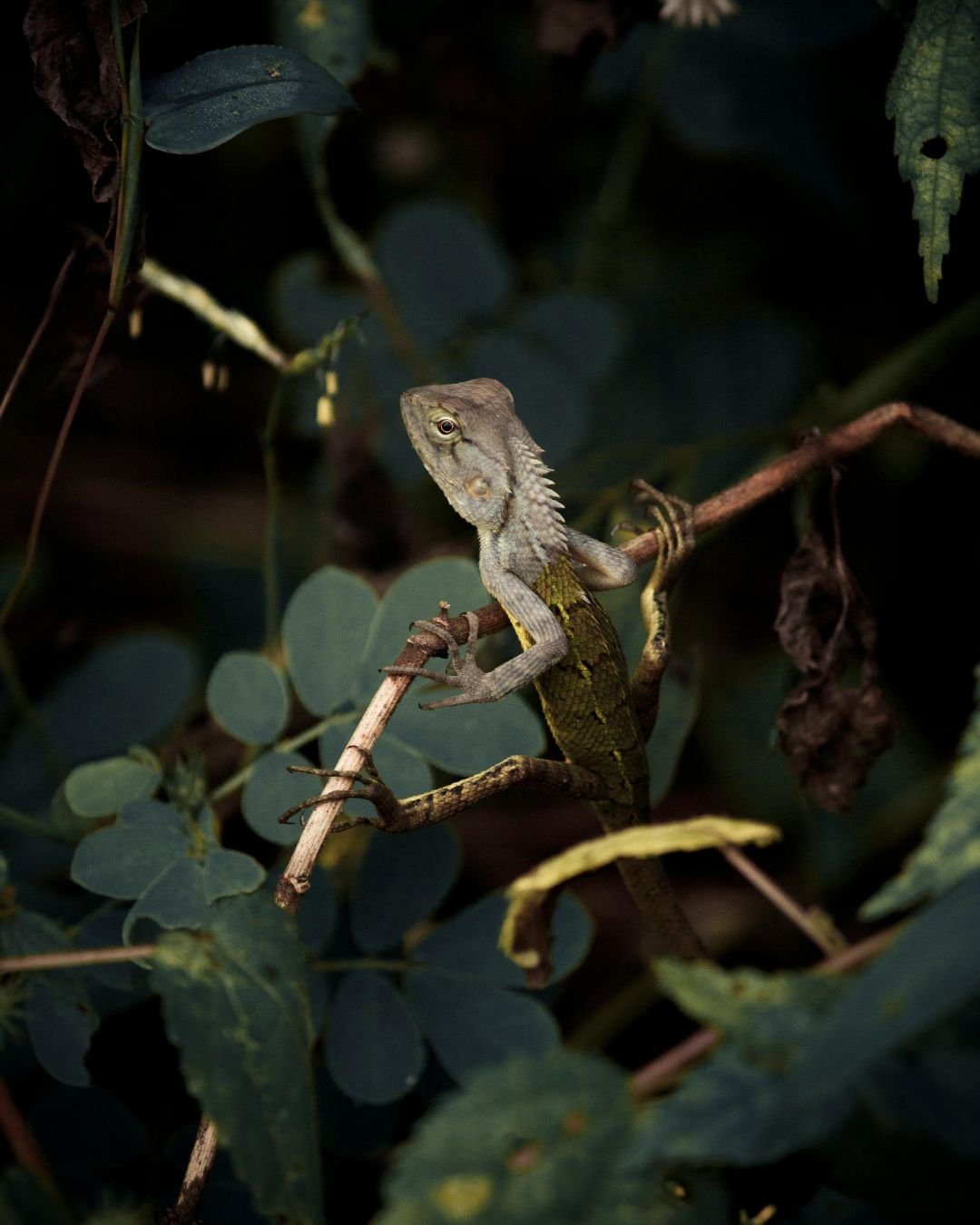
Cucumber is one of those foods that seems like it should be great for bearded dragons. It’s mild, it’s easy to prep, and most dragons will eat it without complaint. The reality is more specific: cucumber is genuinely useful in one context and nearly worthless in every other.
Understanding exactly what cucumber does, and doesn’t, contribute changes how you use it.

Cucumber is a crunchy drink, 96% water. Perfect for hydrating me during a shed or a heat wave when I snub my water bowl, but it's almost no nutrition. A few slices two or three times a week, never in place of my greens.
🥒 Can Bearded Dragons Eat Cucumber? Direct Answer
Yes. Bearded dragons can eat cucumber safely. It is not toxic, not harmful in reasonable amounts, and most dragons accept it readily.
Cucumber’s role in the diet is narrow but legitimate: hydration support. It is approximately 96% water and delivers meaningful fluid intake in a palatable, easy-to-eat form. For a dragon that’s mildly dehydrated, refusing to drink from a water dish, or going through a warm spell in a lower-humidity enclosure, cucumber earns its place in the bowl.
Outside of that hydration function, cucumber is a nutritional placeholder. Feed it 2-3 times per week as a hydration supplement alongside substantive greens, not as a primary vegetable.
📊 Cucumber Nutrition: What’s Actually Inside
Per 100g of raw cucumber with peel (approximate values):
| Nutrient | Amount | Significance |
|---|---|---|
| Water | ~96g | Primary value, excellent hydration |
| Sugar | ~1.7g | Very low, no sugar concern |
| Calcium | ~16mg | Low |
| Phosphorus | ~24mg | Higher than calcium, poor Ca:P |
| Vitamin C | ~2.8mg | Low |
| Vitamin K | ~16.4mcg | Moderate, one genuine nutritional contribution |
| Potassium | ~147mg | Moderate |
| Fiber | ~0.5g | Low |
The Ca:P ratio of approximately 0.7:1 means cucumber has more phosphorus than calcium, it won’t help calcium absorption and contributes a small negative to the balance when fed in large amounts.
Vitamin K supports blood clotting and bone protein activation, and cucumber provides a modest but real amount.
Vitamin K is the one nutritional standout. Vitamin K supports blood clotting and bone protein activation, and cucumber provides a modest but real amount. It’s not enough to build a feeding strategy around, but it’s a legitimate contribution to a varied diet.
The honest summary: cucumber is mostly water with a small vitamin K benefit and a mildly negative Ca:P ratio. That’s the full picture.
💧 The One Thing Cucumber Does Well
Bearded dragons in captivity are chronically underhydrated more often than most owners realize. Their desert origin means they’re adapted to extract water from food rather than seeking it from standing sources, and many captive dragons show minimal interest in water dishes.
Cucumber bridges that gap effectively. At 96% water content, a few slices of cucumber deliver substantially more fluid intake than the same volume of collard greens (~90% water) or bell pepper (~92% water).
When cucumber is genuinely useful:
- During and after shedding, when hydration supports skin loosening
- On hot days or in enclosures running dry
- For a dragon that refuses to drink from a water bowl
- During brumation monitoring, a brumating dragon should still receive some moisture intake
- After a vet visit or stressful handling session
- When a dragon shows early signs of dehydration (wrinkled skin, sunken eyes, tacky mucous membranes)
Here’s where things change: cucumber isn’t solving a hydration problem on its own. It’s supplementing a proper husbandry approach that includes a clean water dish, regular bathing, and high-moisture greens. If your dragon is chronically dehydrated, look at the enclosure setup, not just the food bowl.
⚠️ Why Cucumber Can’t Be a Dietary Staple
Three reasons keep cucumber from being more than a supplementary food:
- Negligible nutritional density. After you account for 96% water content, what remains is a tiny fraction of what a proper feeding should deliver. A bowl of cucumber fills the stomach with minimal nutrition return.
- Loose stool risk at high volumes. Too much high-moisture food overwhelms the digestive system and results in chronically watery droppings. Occasional loose stools are not dangerous, but persistent ones indicate dietary imbalance and can mask parasitic issues.
- Calcium interference. Small but real, the phosphorus excess in cucumber doesn’t help a dragon that needs all available calcium to go toward skeletal and muscle function.
None of this makes cucumber harmful in moderate use. It just clarifies that cucumber earns its bowl space through hydration, not nutrition.
✅ How to Prepare and Feed Cucumber Safely
Preparation is simple but a few specifics matter:
- Peel or leave skin on? The skin is edible and safe for adult dragons. For juveniles and babies, peeling is safer, the skin is tougher and harder to digest. For adults, skin-on provides a small additional fiber contribution.
- Remove seeds. Cucumber seeds are slippery, high in water, and can contribute to loose stools. Use a spoon to scrape the seed column before cutting into feeding pieces. Seedless varieties eliminate this step.
- Cut appropriately. Thin slices or small cubes, no larger than eye-to-eye width of your dragon. Thick chunks can be difficult to bite through and create choking risk.
- Wash thoroughly. Commercial cucumbers are often waxed and can carry pesticide residue. Wash under running water, scrubbing the surface, regardless of whether you peel.
- Serve fresh. Cucumber wilts and becomes slimy quickly in a warm enclosure. Remove any uneaten pieces within a few hours.
- Don’t replace greens with cucumber. Cucumber goes into the bowl alongside collard greens, mustard greens, and vegetables, never instead of them.
🔄 How Often Is Appropriate?
| Age | Safe Frequency | Notes |
|---|---|---|
| Baby (0-3 months) | 1-2x/week max, small amount | Hydration support only. Peeled, seeded. Primary focus is insects and calcium-rich greens. |
| Juvenile (3-12 months) | 2-3x/week | Good hydration supplement. Never displace staple greens. |
| Adult (12+ months) | 2-3x/week | Solid rotation item for hydration support. Cap bowl volume at ~15-20% of total salad. |
More frequent use during shedding cycles and summer months is reasonable. Scale back if loose stools become frequent.
🥗 What to Pair With Cucumber for a Balanced Bowl
Cucumber works best as the high-moisture element in a salad that’s otherwise nutritionally dense. Pair it with:
- Collard greens or mustard greens (calcium anchor)
- Bell peppers (vitamin C, antioxidants)
- Butternut squash (vitamin A)
- Dandelion greens (broad micronutrient spectrum)
A practical bowl for an adult dragon: collard greens (base), mustard greens (secondary), sliced bell pepper (color and vitamin C), a few cucumber slices (hydration). That combination gives you calcium, vitamins A and C, hydration, and variety in a single feeding.
📚 Recommended Reading: the Bearded Dragon Food Chart and the complete diet guide What Do Bearded Dragons Eat?
✅ Takeaways
- Cucumber is safe for bearded dragons, not toxic, well-tolerated, and useful as a hydration tool
- At 96% water content, cucumber’s primary function is fluid delivery, not nutrition
- The Ca:P ratio is slightly negative (~0.7:1), and nutritional density is low, cucumber cannot anchor a diet
- Feed 2-3 times per week as a hydration supplement alongside calcium-rich staple greens
- Remove seeds, wash thoroughly, cut to appropriate size, peel for babies and juveniles
- Cucumber is most valuable during shedding, warm weather, and for dragons that avoid drinking from water dishes
- Too much cucumber causes loose stools, cap it at roughly 15-20% of total bowl volume
Common questions
Can bearded dragons eat cucumber?+
Is cucumber good for bearded dragons?+
How much cucumber can a bearded dragon eat?+

Beardies World Editorial Team
Every guide on Beardies World is written and maintained by our editorial team. We are not veterinarians, and these guides are general care information, not a substitute for an exam. If your dragon seems unwell, see a reptile vet. If you spot a mistake, email info@beardiesworld.com and we will correct it.
How we write and correct our guides →