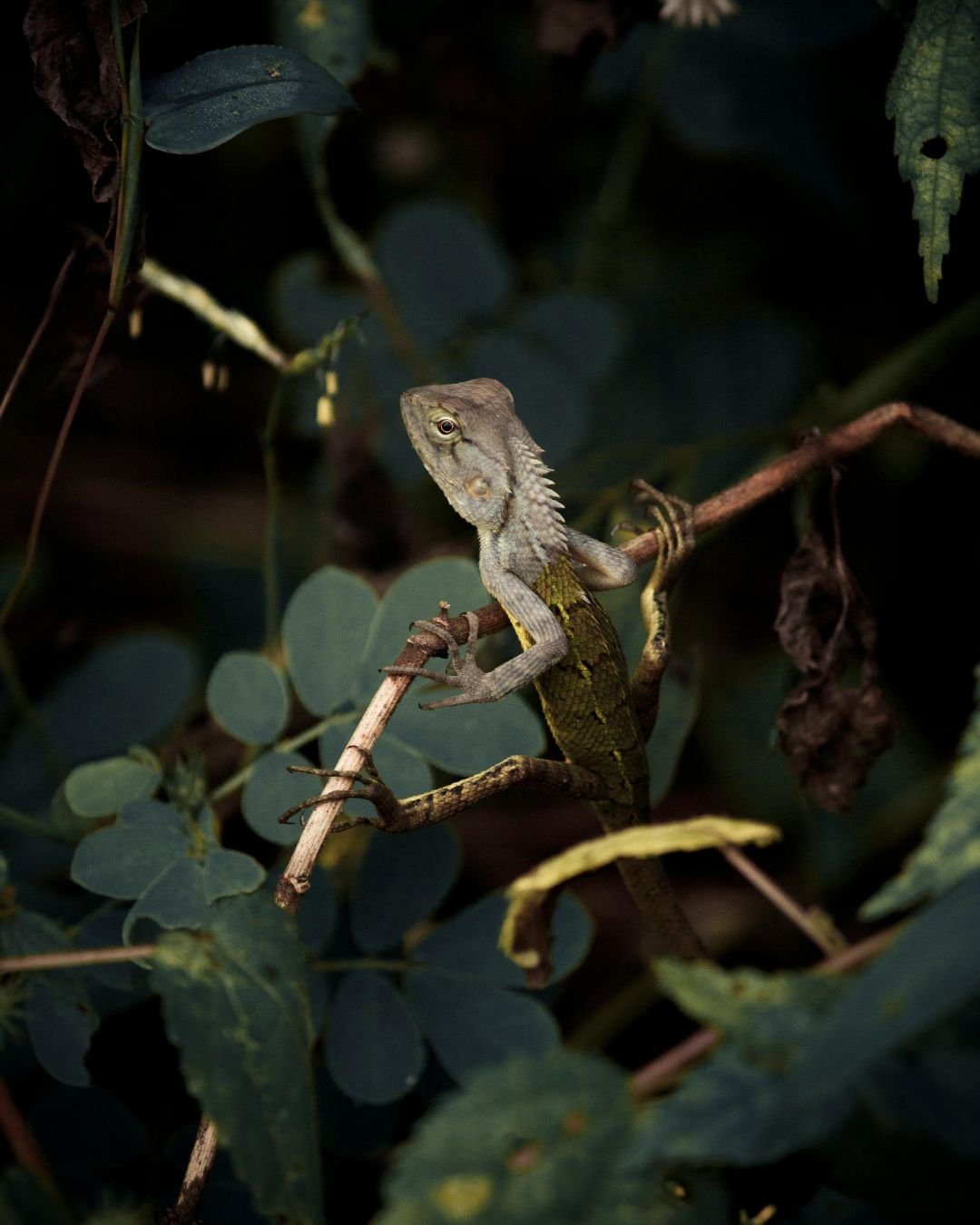
Hornworms are the one feeder insect that solves two problems at once: most dragons can’t resist them, and they deliver more hydration per gram than almost any other food in the bowl. If your dragon is going through a shedding cycle, refusing water, or struggling with mild dehydration, hornworms are the fastest dietary intervention available.
Understanding what they’re good for, and what they’re not, determines how to use them correctly.

Hornworms are my favorite, soft, squishy, and 85% water, so they hydrate me better than any other bug. But they're low in protein, so don't make them my main feeder: pair them with dubia or crickets, two or three times a week.
🐛 Can Bearded Dragons Eat Hornworms? Direct Answer
Yes, hornworms are safe, highly palatable, and nutritionally legitimate for bearded dragons at every life stage. They are not toxic, present no impaction risk, and are accepted enthusiastically by the vast majority of dragons.
The important context: hornworms are a hydration and variety feeder, not a high-protein staple. Their ~85% moisture content makes them the single most effective hydration delivery vehicle in the feeder insect category, but their protein content is too low to anchor a diet.
Use hornworms as a regular rotation component alongside protein-dense feeders like dubia roaches or crickets. Their role is supporting, not primary.
📊 Hornworm Nutrition: The Full Profile
Per 100g of hornworms (approximate dry weight values, approximate):
What the numbers show: hornworms are low-fat, low-protein, high-moisture feeders with a reasonable (if not exceptional) mineral profile.
| Nutrient | Value | Significance |
|---|---|---|
| Moisture | ~85% | Exceptional, highest of common feeder insects |
| Protein (dry weight) | ~9% | Low, primary limiting factor |
| Fat (dry weight) | ~3% | Very low, lean feeder |
| Calcium | Good relative to phosphorus | One of the better Ca:P ratios in feeder insects |
| Calcium:Phosphorus | ~1:2 | Better than crickets, dusting still recommended |
Hornworms (Manduca sexta/quinquemaculata) are the caterpillar stage of hawkmoths. The captive-bred versions sold as feeders are raised on artificial diet, typically a wheat germ-based formula, and have consistent, known nutritional profiles compared to wild-caught specimens.
What the numbers show: hornworms are low-fat, low-protein, high-moisture feeders with a reasonable (if not exceptional) mineral profile. The lean, low-protein profile actually works in their favor as a rotation feeder alongside high-fat treats like waxworms, they balance the caloric load without contributing to obesity.
💧 Why Hornworms Excel at Hydration
At ~85% moisture by body weight, hornworms deliver more fluid per gram than almost any food a bearded dragon can eat.
For context:
- Collard greens: ~89% moisture
- Cucumber: ~96% moisture
- Crickets: ~70% moisture
- Dubia roaches: ~65% moisture
- Hornworms: ~85% moisture
The difference between hornworms and other insect feeders is significant: a meal of hornworms delivers roughly 25-30% more moisture than the same mass of crickets, and over 30% more than dubia roaches.
For a bearded dragon:
- Refusing to drink from a water dish, hornworms deliver fluid intake without the dragon needing to recognize standing water
- Going through active shedding, adequate hydration directly supports skin loosening and complete shed
- Recovering from illness, dehydration, or a vet procedure, fast moisture repletion in a palatable form
- In a low-humidity environment, supplemental moisture intake through food partially compensates for dry air
- During brumation, a partially active brumating dragon that won’t eat heavily can be offered hornworms for hydration maintenance
Here’s where things change: hornworms aren’t a permanent hydration solution. If your dragon is chronically dehydrated, you need to assess water dish presence, enclosure humidity, and bathing frequency. Hornworms bridge a gap, they don’t replace proper husbandry.
⚠️ The Protein Limitation You Need to Know
At approximately 9% protein on a dry weight basis, hornworms are substantially lower in protein than the staple feeders they should accompany:
- Dubia roaches: ~22% protein (DW)
- Crickets: ~18-20% protein (DW)
- Silkworms: ~64% protein (DW)
- Hornworms: ~9% protein (DW)
Feeding hornworms as the primary insect, particularly for babies and juveniles in their high-growth phase, means underdelivering the protein that drives growth rate, immune function, and tissue repair.
The practical rule: Hornworms should complement, not replace, a protein-dense feeder like dubias or crickets. On any day you feed hornworms, also feed (or plan the week around) a full dubia or cricket session.
A useful framing: think of hornworms as the “vegetable” of the feeder insect world, valuable for what they contribute (hydration, variety, palatability) rather than as a macronutrient source.
🏆 Best Scenarios for Feeding Hornworms
- Shedding support: Offer hornworms 2-3 times during active shedding cycles. The hydration delivery directly supports the loosening of retained shed.
- Picky eater resets: A dragon that’s refusing its regular feeder insects often can’t resist hornworms. Use them to re-engage the feeding response, then follow up with dubia roaches or crickets immediately after.
- Post-illness recovery: Sick or recently ill dragons often have reduced feeding drive. Hornworms’ palatability and easy digestibility make them an excellent first protein offering after illness.
- Summer heat management: Hot periods increase dehydration risk. Adding hornworms to the rotation during peak summer months provides dietary moisture support.
- Brumation monitoring: A partially active brumating dragon can receive 2-3 hornworms every few days to maintain hydration without triggering full metabolic activation.
✅ How to Feed Hornworms Safely
- Buy from reputable captive-bred suppliers. Wild hornworms, found on tomato and other Solanaceae plants, may have fed on plants containing alkaloids. Only use commercially produced hornworms raised on known artificial diet.
- Match size to dragon. Hornworms grow rapidly and can reach 10cm+ at maturity. For babies, use small hornworms no longer than 2-3cm. For juveniles and adults, larger specimens are appropriate but should still not exceed the space between the dragon’s eyes in diameter.
- Feed promptly. Hornworms have a short shelf life at room temperature and grow quickly. Keep at around 50-60°F to slow growth. Use within a few days of purchase.
- No gutloading required (but beneficial). Unlike crickets, hornworms don’t require gutloading to deliver basic nutritional value, their moisture and mineral content is inherent to their biology. That said, commercial gutload formula can further enhance their nutritional profile if you have time.
- Calcium dust is still recommended. Despite a decent Ca:P ratio, dusting hornworms with calcium powder before feeding provides an additional mineral boost.
- Watch portion size. The high moisture content means too many hornworms in a single feeding can cause loose stools. 2-5 hornworms per session is appropriate for most adults; 1-2 for juveniles.
🔄 How Often Should Bearded Dragons Eat Hornworms?
| Age | Frequency | Notes |
|---|---|---|
| Baby (0-3 months) | 1-2x/week, 1-2 small specimens | Hydration support only. Small hornworms. Primary protein must come from dubia or crickets. |
| Juvenile (3-12 months) | 2-3x/week | Good rotation complement. Never replace protein-dense feeders. |
| Adult (12+ months) | 2-3x/week | Regular rotation feeder. Increase during shedding and hot weather. |
📋 Hornworms vs. Other Feeder Insects, Side by Side
| Insect | Protein (DW) | Fat (DW) | Moisture | Ca:P | Best Use |
|---|---|---|---|---|---|
| Dubia roaches | ~22% | ~7% | ~65% | ~1:3 | Primary protein staple |
| Crickets | ~18-20% | ~6% | ~70% | ~1:9 | Variety and stimulation |
| BSFL | ~17% | ~9% | ~61% | ~1.5:1 | Natural calcium boost |
| Silkworms | ~64% | ~10% | ~82% | Good | High protein supplement |
| Hornworms | ~9% | ~3% | ~85% | ~1:2 | Hydration and palatability |
| Waxworms | ~16% | ~22% | ~58% | Poor | Treat only |
📚 Recommended Reading: Best Insects for Bearded Dragons, Ranked by Nutrition, Not Availability and the complete diet guide What Do Bearded Dragons Eat?
✅ Takeaways
- Hornworms are safe and highly recommended for bearded dragons, one of the most useful rotation feeders available
- At ~85% moisture, hornworms are the single most effective hydration delivery vehicle in the feeder insect category
- Their protein content (~9% DW) is too low to anchor a diet, pair hornworms with protein-dense feeders like dubias or crickets
- Best use cases: shedding support, picky eater resets, illness recovery, hot weather hydration, and brumation monitoring
- Buy captive-bred only, wild hornworms from Solanaceae plants may have consumed alkaloids
- Size-match hornworms carefully, especially for babies, they grow rapidly and large specimens present choking risk
- Feed 2-3 times per week as a rotation complement; increase to daily during shedding and dehydration episodes
Common questions
Can bearded dragons eat hornworms?+
Are hornworms good for bearded dragons?+
How many hornworms can a bearded dragon eat?+

Beardies World Editorial Team
Every guide on Beardies World is written and maintained by our editorial team. We are not veterinarians, and these guides are general care information, not a substitute for an exam. If your dragon seems unwell, see a reptile vet. If you spot a mistake, email info@beardiesworld.com and we will correct it.
How we write and correct our guides →