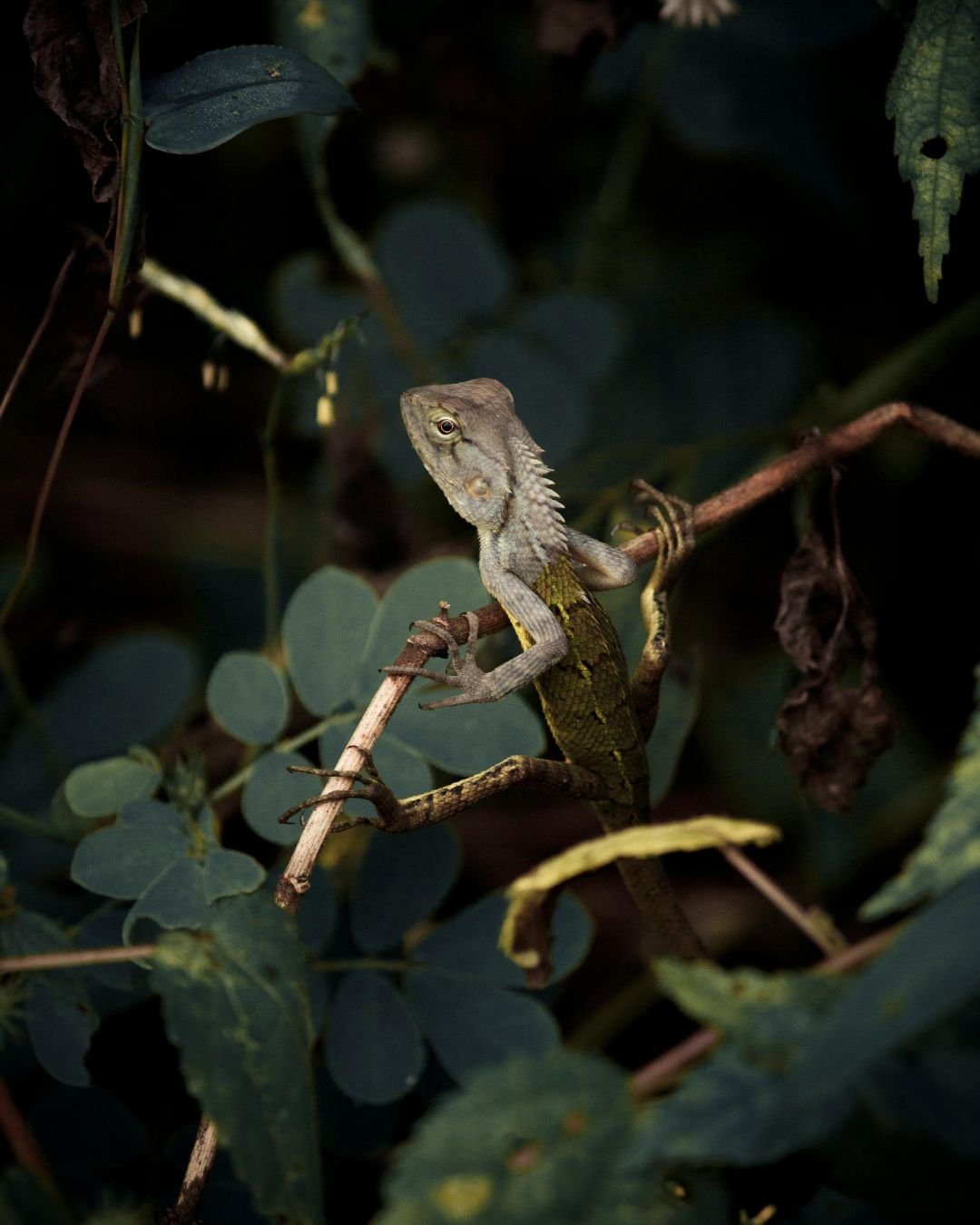
First-time owners are often alarmed the first time their bearded dragon goes dull, puffs up, and starts peeling. Then they’re alarmed when it happens again six weeks later. Then they start to wonder if something is wrong.
Nothing is wrong. But shedding frequency in bearded dragons is highly age-dependent, and understanding the pattern, and what to do during each shed, prevents the majority of shed-related problems owners encounter.

Shed frequency tracks growth, not health, a baby shedding every two weeks is growing correctly, and an adult shedding twice a year is equally correct. The thing that actually needs your attention is the aftermath: check every toe and the tail tip after each shed. A retained ring there can cost a toe within 24-48 hours.
🔄 How Shedding Works in Bearded Dragons
Bearded dragons shed their skin (a process called ecdysis) because their skin doesn’t grow with them, it’s a fixed outer layer that must be replaced as the animal’s body grows and as older skin cells wear out and die.
Unlike snakes, which typically shed in one full piece, bearded dragons shed in patches, different sections of the body at different times. This is normal. You might see the head shed one week, the body the next, and the tail a week later.
The shedding process begins beneath the surface: new skin cells form under the existing layer, and the bond between old and new skin weakens. The outer layer begins to separate, appearing dull, grey, or white, before it peels away.
Shedding is not painful when it goes correctly. A dragon with adequate hydration, proper nutrition, and appropriate humidity levels sheds cleanly without intervention. Problems arise when conditions are suboptimal, which is why owner preparation matters.
📅 Shedding Frequency by Age
Shedding frequency is directly driven by growth rate. Fast growth = frequent shedding. As growth rate slows, shed frequency decreases proportionally.
| Age | Typical Shed Frequency | Why |
|---|---|---|
| Baby (0-3 months) | Every 2-3 weeks | Extremely rapid growth; near-constant skin replacement |
| Juvenile (3-12 months) | Every 4-6 weeks | Growth continues at high rate |
| Sub-adult (12-18 months) | Every 6-8 weeks | Growth slowing but still significant |
| Young adult (18 months-3 years) | Every 2-3 months | Growth largely complete; shed frequency drops |
| Mature adult (3+ years) | Every 3-6 months | Maintenance shedding, minimal growth-driven |
The key principle: If your baby bearded dragon is shedding constantly, that’s correct, it means it’s growing properly. If your adult sheds once every few months, that’s also correct. Comparing an adult’s shed schedule to a baby’s is not a useful baseline.
Partial sheds are normal. Adult bearded dragons frequently shed specific body regions independently rather than completing a full-body shed in sequence. Seeing the head or legs shed without the body following immediately is not a problem.
🔍 Signs Your Bearded Dragon Is About to Shed
Recognizing the pre-shed phase is useful because it explains behavioral changes that otherwise look concerning:
Visual signs:
- Overall dull, grayish, or “chalky” appearance, the entire body or specific regions
- Skin that looks slightly thickened or lifeless compared to normal
- Eyes may appear slightly larger or more prominent as the eye caps loosen
- Faint whitish outline forming around scales
Behavioral signs:
- Reduced appetite (very common, many dragons eat less during active shed)
- Increased time in hides
- Rubbing against enclosure decor to help loosen skin
- Slight puffiness as the body expands to help separate old skin
- Possible mild irritability during handling, the skin is sensitive
What to do when you notice these signs: Increase bathing frequency to 20-minute lukewarm sessions every 2-3 days. That’s the primary intervention that supports a smooth shed.
✅ How to Support a Healthy Shed Most sheds complete without any intervention.
✅ How to Support a Healthy Shed
Most sheds complete without any intervention. These steps ensure the conditions are right:
1. Increase bathing frequency.
The most effective support for shedding. Lukewarm water (95-100°F) for 20 minutes, every 2-3 days during active shedding. The water hydrates the skin and helps loosen the bond between old and new layers. Don’t submerge the head, let the dragon sit in shallow water and splash freely.
2. Maintain proper humidity.
Bearded dragons are arid species, enclosure humidity should be 30-40% normally. During shedding, allowing humidity to rise slightly to 40-50% (through additional misting or a humid hide) supports skin loosening. Don’t allow it to stay high beyond the active shed period, chronic high humidity promotes respiratory infections.
3. Provide surfaces to rub against.
Rough decor, slate tiles, cork bark, naturalistic rock decor, gives dragons a surface to rub against to mechanically loosen shed. This is natural behavior, not self-harm. Make sure the enclosure has at least one textured surface.
4. Don’t disturb the process unnecessarily.
A dragon in mid-shed is more sensitive to handling than normal. Keep sessions brief and don’t pull at loosened skin during handling.
5. Offer slightly more moisture-rich feeders.
Hornworms and cucumber slices during the shed period provide supplemental hydration internally, which supports the skin from the inside.
⚠️ Retained Shed: When It Becomes a Problem
Retained shed, called dysecdysis, occurs when old skin doesn’t separate and fall away cleanly. It’s the most common shed-related problem in captive bearded dragons.
Why it happens:
- Inadequate hydration (chronic dehydration)
- Low enclosure humidity
- Nutritional deficiencies, particularly vitamin A
- Underlying illness affecting skin condition
- Incorrect temperatures slowing metabolic processes
Where retained shed is most dangerous:
Toes: Shed that accumulates around toes forms constricting rings that cut off circulation. Within 24-48 hours, this can cause toe loss. Check toes after every shed, if any toe looks constricted, soak and gently remove the stuck shed immediately. If it won’t come off with gentle soaking, see a vet same day.
Tail tip: Same mechanism as toes, retained shed on the tail tip leads directly to tail rot. Treat with the same urgency as toe involvement.
Eyes: Eye cap retention causes irritation, vision impairment, and secondary infection. The eye caps (brille) should come off as part of the normal head shed. Retained eye caps require veterinary removal, don’t attempt to remove them at home.
Body: Retained patches on the body are less urgent than digits and eyes but still indicate an underlying husbandry issue to address.
The intervention for retained body shed:
Soak the dragon in warm water for 20-30 minutes. After soaking, gently rub the retained area with a damp cotton cloth using light pressure. The softened shed should roll off or release. Never peel or force dry shed from the skin.
🚫 What Never to Do During Shedding
Never manually peel shed skin. Pulling at incompletely separated shed tears the new skin underneath, the new layer is not fully hardened until the old layer has been naturally removed. Forced removal causes open wounds that can become infected.
Never apply petroleum-based products (Vaseline, petroleum jelly) to stuck shed. These are occlusive, trap bacteria against the skin, and create more problems than they solve.
Never use sandpaper or abrasive tools to scrub shed. Even with the best intentions, these cause damage to the new skin layer.
Don’t stop bathing between sheds. Regular bathing prevents chronic dehydration that makes retained shed more likely. Two baths per week as a baseline (not just during sheds) is ideal for most captive bearded dragons.
🚨 When Shedding Requires Veterinary Attention
Most sheds complete without vet involvement. See a reptile vet if:
- Retained shed around toes or tail tip that won’t release after a 30-minute soak
- Eye caps retained after the rest of the head shed is complete
- Shed that appears to be taking more than 2-3 weeks to complete fully in one area
- Any shed-related bleeding or open wounds
- Chronic retained shed pattern (every shed has significant retention), indicates ongoing husbandry or health issue
- The dragon is showing any illness signs during or following the shed
📚 Recommended Reading: Bearded Dragon Tail Rot: How to Identify It, What Causes It, and Why Speed Matters.
✅ Takeaways
- Shedding frequency is driven by growth rate: babies shed every 2-3 weeks; adults shed every 3-6 months
- Dull appearance, reduced appetite, and increased time in hides are normal pre-shed signs, not illness indicators
- The most effective shedding support is 20-minute lukewarm baths every 2-3 days during active shed
- Partial sheds (different body sections at different times) are completely normal in bearded dragons
- Retained shed on toes and tail tips is a medical urgency, circulation restriction can cause permanent damage within 24-48 hours
- Never manually peel incompletely separated shed, it tears new skin beneath
- Eye cap retention requires veterinary removal, not home intervention
- Chronic retained shed indicates a husbandry problem (hydration, humidity, nutrition) to identify and correct
Common questions
How often do bearded dragons shed?+
What are the signs a bearded dragon is about to shed?+
What should I do about stuck shed on my bearded dragon?+

Beardies World Editorial Team
Every guide on Beardies World is written and maintained by our editorial team. We are not veterinarians, and these guides are general care information, not a substitute for an exam. If your dragon seems unwell, see a reptile vet. If you spot a mistake, email info@beardiesworld.com and we will correct it.
How we write and correct our guides →