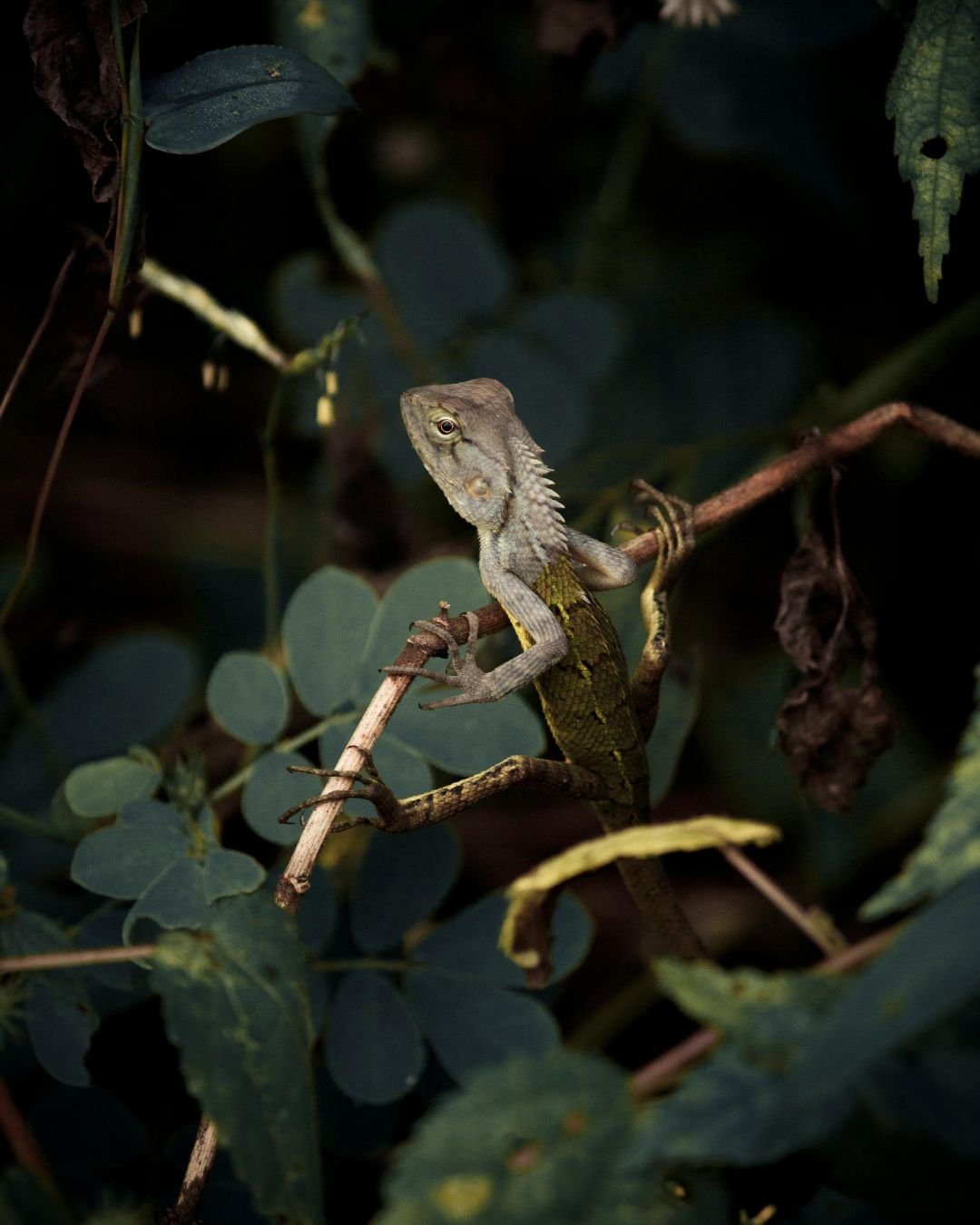
Metabolic bone disease is the most common preventable health condition in captive bearded dragons. It’s also one of the most misunderstood, because by the time the visible symptoms appear, the disease has usually been progressing quietly for weeks or months.
Understanding MBD means understanding what causes it at the biochemical level, recognizing the earliest signs before they become irreversible, and knowing exactly what the treatment and prevention protocol requires.

The UVB bulb is the silent MBD driver, it stops emitting useful UVB months before it looks dead to your eye. Put a 6-month replacement date on your calendar the day you install one. Don't wait for the light to go out.
🦴 What Is Metabolic Bone Disease?
Metabolic bone disease (MBD) is an umbrella term for a range of skeletal disorders caused by calcium-phosphorus imbalance and/or vitamin D3 deficiency. In bearded dragons, the most common form is nutritional secondary hyperparathyroidism, a condition where the body, responding to chronically low blood calcium, instructs the parathyroid gland to release parathyroid hormone (PTH), which pulls calcium from bones into the bloodstream.
The result: bones progressively lose density and structural integrity, becoming soft, deformed, and prone to fracture. The spine, limbs, and jaw are most affected.
MBD is a disease of husbandry, not bad luck. Almost every case is caused by identifiable and correctable failures in diet, supplementation, UVB provision, or some combination of all three. A bearded dragon with proper care is at minimal risk for MBD.
⚠️ What Causes MBD, The Three-Factor System
MBD doesn’t have a single cause. It develops when one or more of three essential systems fails:
Factor 1: Calcium Intake
Calcium must be present in the diet in sufficient quantities and in a bioavailable form. The primary failures:
- Feeding calcium-poor staple foods (iceberg lettuce, high-phosphorus vegetables)
- Not supplementing with calcium powder on feeder insects
- Poor gutloading of feeder insects (reducing calcium the insects deliver)
- Feeding high-phosphorus foods frequently (bananas, spinach, other phosphorus-dominant items) that block calcium absorption
Factor 2: Vitamin D3 Production
Calcium absorbed from the gut requires vitamin D3 to be transported into the bloodstream and deposited into bone. Without D3, calcium is excreted rather than absorbed. The primary failures:
High phosphorus binds calcium in the gut, forming calcium-phosphorus compounds that are excreted rather than absorbed.
- No UVB lighting
- Expired UVB bulb (UVB output degrades before visible light fails, most bulbs need replacement every 6 months)
- UVB bulb positioned too far from the basking area (output drops sharply with distance)
- Glass or plastic between the UVB source and the dragon (blocks UVB transmission)
- Relying on D3 supplementation alone without addressing UVB
Factor 3: Calcium-to-Phosphorus Ratio
Even adequate calcium intake can result in MBD if dietary phosphorus is consistently much higher than calcium. High phosphorus binds calcium in the gut, forming calcium-phosphorus compounds that are excreted rather than absorbed.
- Diets heavy in high-phosphorus fruits (bananas, grapes) without calcium-dense greens
- Overfeeding high-phosphorus feeders without supplementation
- Failure to rotate greens toward high-Ca:P options
The compounding effect: All three factors interact. A dragon with marginal UVB, mediocre calcium supplementation, and occasional high-phosphorus foods can develop MBD where any one factor alone might not have been sufficient to cause disease.
🔍 Signs and Symptoms: Early, Progressing, and Advanced
Early Signs (Often Missed)
- Slight wobble or tremor in one or both forelimbs during movement
- Reluctance to climb or reduced activity that might be attributed to laziness
- Very subtle limb tremors at rest
- Slower-than-expected growth in juveniles
- Mild softness in the jaw when gently palpated (difficult to detect without experience)
Progressing Signs (More Obvious)
- Visible trembling in the limbs, particularly forelimbs shaking when the dragon is attempting to walk
- Limbs that appear slightly bowed or deformed
- Difficulty walking normally, a “swimming” or stumbling gait
- Jaw softness that is noticeable, the jaw may appear slightly rubbery when gently pressed
- Spine that appears slightly curved when viewed from above
- Reduced muscle mass as the body pulls resources toward basic function
Advanced Signs (Serious, Requires Urgent Veterinary Care)
- Fractures without trauma, bones so demineralized that normal movement causes breaks
- Complete inability to support body weight, the dragon cannot hold itself off the ground
- Jaw deformity, misaligned or visibly soft lower jaw
- Swollen limb joints from bone remodeling
- Seizure-like episodes from dangerously low blood calcium (hypocalcemic tetany)
- Complete or near-complete paralysis of rear limbs
Here’s where things change: early-stage MBD is highly treatable and the damage largely reversible. Advanced-stage MBD can cause permanent skeletal deformity even with successful treatment. The tipping point between reversible and permanent is not a sharp line, it shifts over weeks. Early identification is the variable that determines outcome.
🩺 Diagnosis and Treatment
Diagnosis: A reptile vet will diagnose MBD through physical examination (palpating bone density and jaw firmness), radiography (X-rays showing bone density and any fractures), and blood calcium and phosphorus levels.
Treatment protocol:
- Calcium supplementation, Parenteral (injectable) calcium gluconate for severe cases to rapidly elevate blood calcium. Oral calcium supplementation for all cases going forward.
- Vitamin D3 supplementation, Usually via injection in severe cases, transitioning to correct UVB setup and oral supplementation.
- Correcting the husbandry failures, The treatment protocol simultaneously addresses whatever caused the MBD: new UVB bulb, corrected supplementation schedule, improved diet.
- Supportive care, Pain management, physical therapy-style movement encouragement as bones begin to remineralize, and follow-up radiographs to track bone density improvement.
- Nutritional rehab, Gut-loaded, calcium-dusted dubias and BSFL, high-Ca:P greens, consistent supplement schedule.
Veterinary treatment timelines for meaningful improvement range from weeks to several months depending on severity.
🔄 Is MBD Reversible?
Partially, and the answer depends heavily on how early intervention begins.
Early-stage MBD: With correct husbandry and veterinary treatment, early-stage bone demineralization is significantly reversible. Bones remineralize, tremors resolve, and affected dragons often recover to normal function.
Mid-stage MBD: Structural bone changes that have already occurred may partially persist, but further progression stops and function improves substantially with treatment.
Advanced MBD with skeletal deformity: Deformities that have hardened into the remodeled bone structure are permanent. Limbs that have healed in abnormal positions after fracture, jaw misalignment, and spinal curvature from vertebral collapse do not reverse. The dragon can still have good quality of life with appropriate accommodation, but the structural changes remain.
The practical answer: Yes, if caught early. No, if deformity has already set. Every week of delay shifts the prognosis.
🛡️ How to Prevent MBD Completely
MBD is almost entirely preventable. The prevention protocol is:
UVB lighting:
- T5 HO 10.0 or 12% UVB bulb
- Positioned 10-12 inches from basking area
- No glass or plastic between bulb and dragon
- Replaced every 6 months on schedule
- Active 10-12 hours daily
Calcium supplementation:
- Calcium without D3 at every insect feeding for babies and juveniles; 3-4x/week for adults
- Calcium with D3 2x/week if UVB is adequate; more frequently if suboptimal
- Gutload all feeder insects for 24-48 hours before feeding
Diet:
- Daily staple greens: collard, mustard, dandelion, turnip greens (all have strong Ca:P ratios)
- Avoid frequent high-phosphorus foods: bananas, spinach, beet greens as staples
- Rotate feeder insects toward BSFL and gutloaded dubias
Multivitamin: 1-2x per week covering trace minerals including zinc and manganese (cofactors in calcium metabolism)
📋 MBD Prevention Checklist
- ☐ T5 HO UVB bulb installed, positioned correctly, less than 6 months old
- ☐ No glass or screen between UVB and dragon’s basking zone
- ☐ Basking surface temperature 100-110°F (verified with infrared thermometer)
- ☐ Calcium without D3 dusted on insects at every feeding (babies/juveniles) or 3-4x/week (adults)
- ☐ All feeder insects gutloaded 24-48 hours before feeding
- ☐ Daily greens are high-Ca:P staples (collard, mustard, dandelion, turnip)
- ☐ Reptile multivitamin used 1-2x/week
📚 Recommended Reading: Bearded Dragon Vitamins and Supplements: The Complete Guide to What’s Required.
✅ Takeaways
- MBD is caused by the combination of insufficient calcium, inadequate vitamin D3 synthesis, and/or poor Ca:P ratio in the diet, all three factors interact
- Early signs include limb tremors, reduced activity, and slow growth in juveniles, these are often missed because they’re subtle
- Advanced MBD causes fractures, seizures, jaw deformity, and paralysis, and some structural damage at this stage is permanent
- Early-stage MBD is highly treatable and largely reversible; advanced-stage MBD may leave permanent deformities despite treatment
- The UVB bulb is the most commonly overlooked prevention failure, it must be replaced every 6 months even when still visibly lit
- MBD is almost entirely preventable with correct UVB, consistent calcium supplementation, gutloaded feeders, and calcium-rich staple greens
- Any bearded dragon showing tremors, abnormal gait, or jaw softness should see a reptile vet immediately
Common questions
What is metabolic bone disease in bearded dragons?+
Is metabolic bone disease reversible?+
How do I prevent MBD in my bearded dragon?+

Beardies World Editorial Team
Every guide on Beardies World is written and maintained by our editorial team. We are not veterinarians, and these guides are general care information, not a substitute for an exam. If your dragon seems unwell, see a reptile vet. If you spot a mistake, email info@beardiesworld.com and we will correct it.
How we write and correct our guides →