
Not all lettuce is created equal, and for bearded dragons, the difference between types isn’t a matter of preference. It’s the difference between a food that actively harms your dragon’s nutrition and one that’s a reasonable addition to the rotation.
Most owners hear “lettuce is bad for bearded dragons” and avoid all of it. That’s an overcorrection. The real answer is more specific, and worth understanding correctly.

Not all lettuce is bad, but iceberg is basically crunchy water, skip it. Romaine or leaf lettuce now and then is fine. Just never let lettuce run my bowl; build it on collard and mustard greens.
🥬 Can Bearded Dragons Eat Lettuce? The Nuanced Answer
The answer depends entirely on which lettuce you’re asking about.
Iceberg lettuce: No. It offers virtually zero nutritional value and actively displaces food that would have provided real nutrition.
Romaine lettuce: Yes, occasionally. Better than iceberg but still not a staple.
Green leaf and red leaf lettuce: Yes, as part of a rotation. Reasonably safe, moderate nutritional value.
Butter lettuce: Occasionally, in small amounts.
The “lettuce is bad” rule exists because iceberg dominates grocery produce sections and dominates bearded dragon bowls. The rule is accurate for iceberg. It’s an overgeneralization for every other variety.
🚫 Why Iceberg Lettuce Is the One to Avoid Entirely
Iceberg lettuce is approximately 96% water. What remains after that water content is accounted for provides almost no meaningful nutrition for a bearded dragon.
Calcium content is negligible. Vitamin A is trace. Phosphorus, while low, still edges out calcium, making even the minimal mineral content net-negative. The fiber is poor quality. The protein is essentially zero.
A dragon that eats a bowl of iceberg isn’t fed, it’s full of water with an empty nutrition account.
What actually matters is what iceberg lettuce does to a dragon that eats it regularly: it fills the stomach with water and minimal nutrition, displacing the collard greens, mustard greens, and calcium-rich vegetables that should occupy that space. A dragon that eats a bowl of iceberg isn’t fed, it’s full of water with an empty nutrition account.
Chronic iceberg feeding contributes to diarrhea, chronic loose stools, and over time creates nutritional deficiency that manifests in slow growth, low energy, and poor bone density.
Never use iceberg lettuce as a bearded dragon food, not even as a mixer or filler.
✅ Lettuce Types That Are Safe for Bearded Dragons
Romaine Lettuce
The best of the standard lettuce varieties for bearded dragons. Romaine has meaningfully more nutrition than iceberg, moderate vitamin A, some calcium, decent vitamin K. Still not a powerhouse, but acceptable as an occasional addition to a well-rounded salad.
Feed frequency: 2-3 times per week as a minor component of the salad bowl, not as the primary green.
Green Leaf Lettuce
Similar profile to romaine. Slightly higher in vitamin K, decent beta-carotene (precursor to vitamin A), low in oxalates. A reasonable rotation option when you want variety without reaching for the same staples.
Feed frequency: 2-3 times per week as a rotation element.
Red Leaf Lettuce
Slightly higher in antioxidants than green leaf due to anthocyanins (the pigment that creates red color). Similar overall nutritional profile to green leaf, slightly higher in vitamin A. A good visual variety addition to the salad bowl.
Feed frequency: 2-3 times per week as a rotation element.
Butter Lettuce (Boston / Bibb)
Soft, mild, and generally well-accepted. Nutritional profile is moderate, better than iceberg, below romaine. High moisture content similar to iceberg, so don’t rely on it too heavily.
Feed frequency: Once or twice per week, small amount only.
📊 Lettuce Nutrition Comparison Chart
| Lettuce Type | Calcium (per 100g) | Phosphorus | Ca:P Ratio | Vitamin A | Verdict |
|---|---|---|---|---|---|
| Iceberg | ~18mg | ~20mg | ~0.9:1 | Very low | Avoid entirely |
| Butter lettuce | ~35mg | ~33mg | ~1.1:1 | Moderate | Occasional |
| Romaine | ~33mg | ~30mg | ~1.1:1 | Good | 2-3x/week max |
| Green leaf | ~36mg | ~29mg | ~1.2:1 | Good | 2-3x/week max |
| Red leaf | ~33mg | ~28mg | ~1.2:1 | Very good | 2-3x/week max |
| Collard greens | ~232mg | ~25mg | ~9:1 | Excellent | Daily staple |
The comparison to collard greens puts lettuce in perspective. Even the best lettuce varieties deliver a fraction of the calcium that proper staple greens provide. Lettuce can add variety and hydration, it cannot anchor a diet.
⚠️ How Much Lettuce Is Too Much?
A simple rule: lettuce should never be the dominant green in the bowl.
If you’re building a salad, the foundation should be collard greens, mustard greens, dandelion greens, or turnip greens. Romaine or leaf lettuce can be mixed in as one component of three to four greens in rotation, but it shouldn’t occupy more than 20-25% of the total bowl volume.
The high moisture content of most lettuce types is the practical limit. Too much lettuce in a single meal creates loose, watery stools, not from toxicity, but from sheer water load on a digestive system designed for drier food sources.
Here’s where things change: if you’re traveling, in a situation where staple greens aren’t available, or your dragon is mildly dehydrated and needs a moisture-rich food, romaine or red leaf lettuce is a completely acceptable short-term bridge. The problem is routine reliance, not occasional use.
📚 Recommended Reading: Best Vegetables for Bearded Dragons, The Ranked List.
🥗 Better Greens to Anchor the Salad Bowl
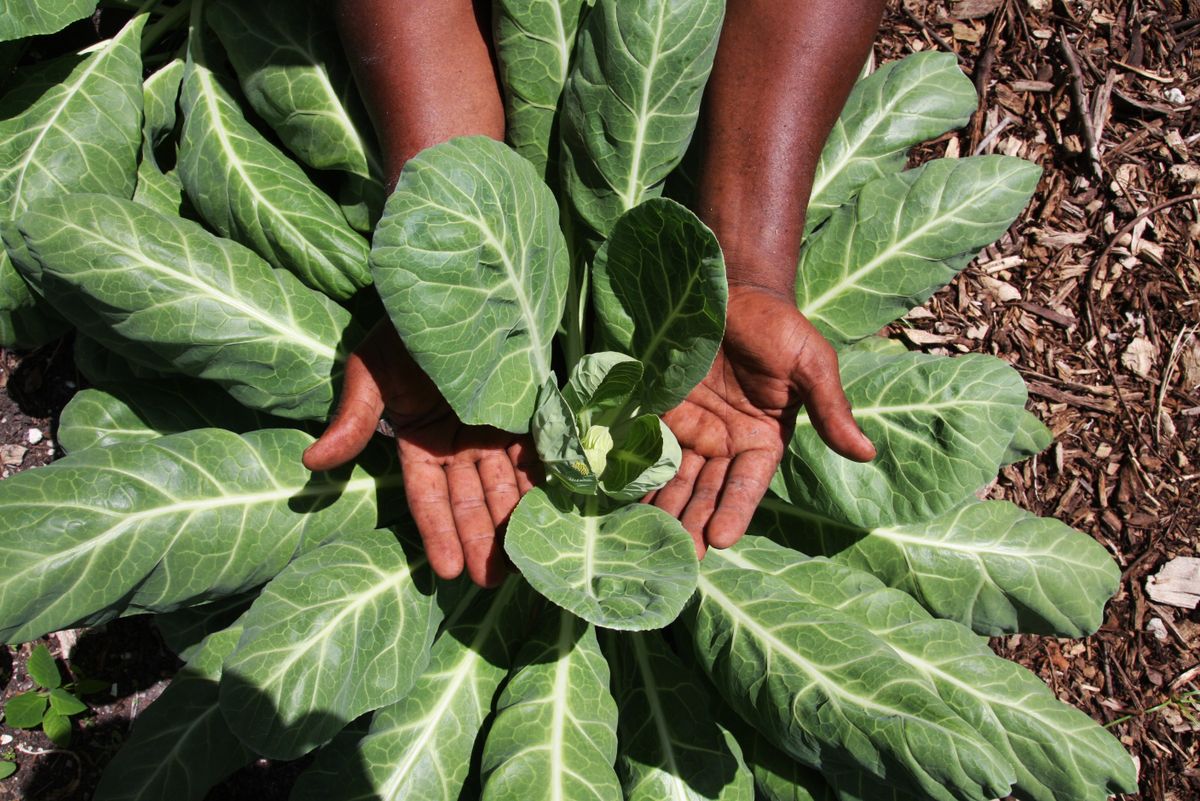
If lettuce is currently your go-to green, these staples should replace it as the foundation:
| Green | Ca:P Ratio | Why It’s Better Than Lettuce |
|---|---|---|
| Collard greens | ~9:1 | Exceptional calcium content, daily staple |
| Mustard greens | ~2:1 | Strong Ca:P, peppery flavor most dragons enjoy |
| Dandelion greens | ~3:1 | Highly nutritious, vitamin-rich, pesticide-free only |
| Turnip greens | ~4:1 | High calcium, good fiber |
| Endive | ~2:1 | Mild, palatable, favorable Ca:P ratio |
| Watercress | ~2:1 | Nutrient-dense, good rotation option |
Any of these outperforms every lettuce variety across every meaningful nutritional metric. Rotate through three or four of them weekly and use lettuce as a minor variety addition rather than a primary green.
📚 Recommended Reading: What Do Bearded Dragons Eat? The Complete Diet Guide and the Bearded Dragon Food Chart.
✅ Takeaways
- Not all lettuce is bad, iceberg is the one to avoid entirely due to near-zero nutrition and high water displacement effect
- Romaine, green leaf, and red leaf lettuce are safe in moderation, 2-3 times per week as a minor salad component
- Even the best lettuce varieties deliver far less calcium than proper staple greens like collard and mustard greens
- Lettuce should never be the dominant green in the bowl, cap it at 20-25% of total salad volume
- High lettuce intake causes loose stools from water load, not toxicity
- The “lettuce is bad” rule is accurate for iceberg and an overcorrection for everything else
- If lettuce is your current primary green, replace it with collard, mustard, dandelion, or turnip greens as the daily foundation
Common questions
Can bearded dragons eat iceberg lettuce?+
What lettuce is safe for bearded dragons?+
Can lettuce be a bearded dragon's main green?+

Beardies World Editorial Team
Every guide on Beardies World is written and maintained by our editorial team. We are not veterinarians, and these guides are general care information, not a substitute for an exam. If your dragon seems unwell, see a reptile vet. If you spot a mistake, email info@beardiesworld.com and we will correct it.
How we write and correct our guides →