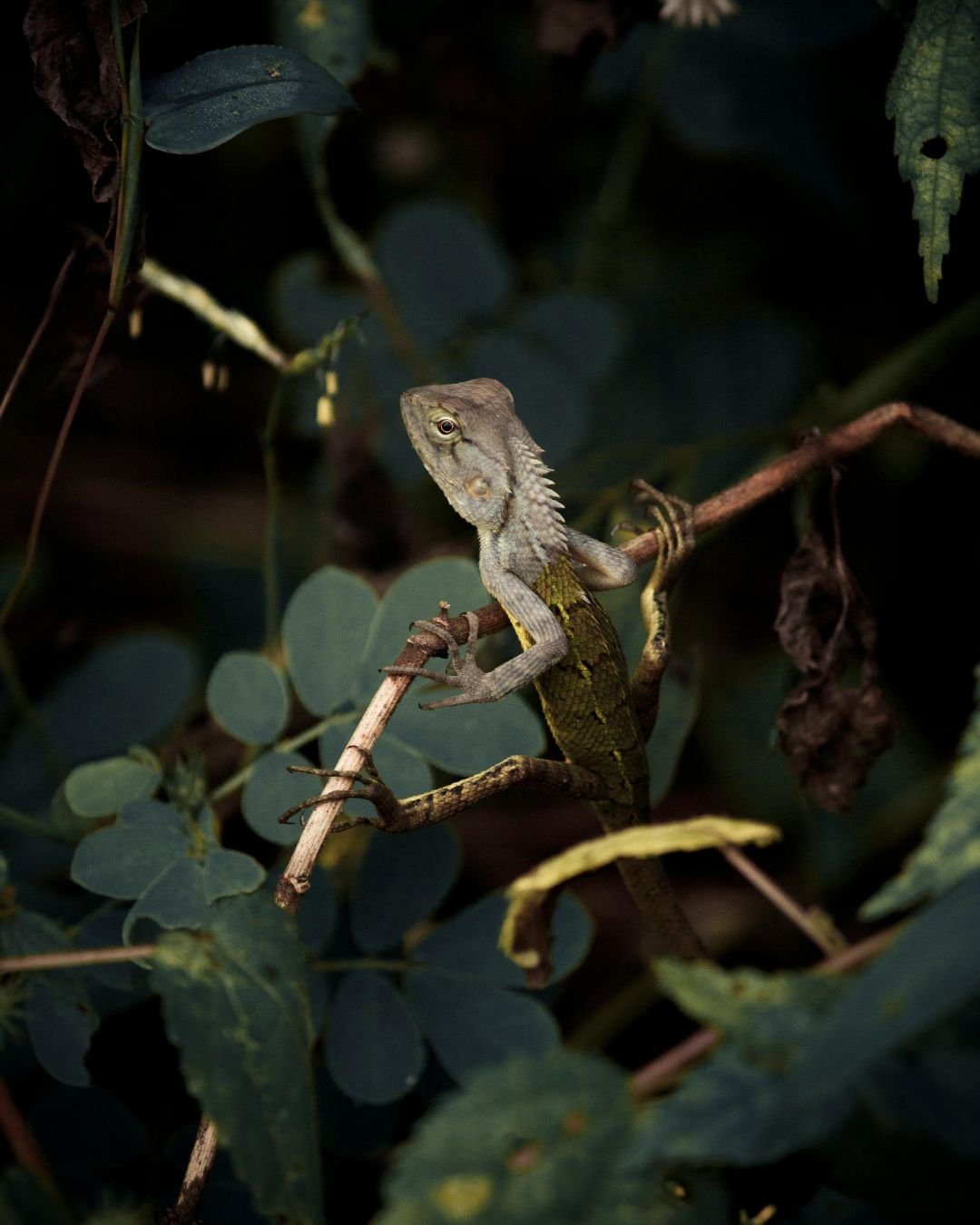
Most bearded dragons shed completely without intervention. The ones that don’t, where skin remains stuck on toes, eye caps don’t come off, or tail patches refuse to release, are where owner knowledge makes the difference between a minor problem and a permanent injury.
The intervention methods matter as much as whether you intervene. Wrong technique causes more damage than leaving it alone.

After every single shed, check each toe and the tail tip individually. A ring of retained shed there dries into a tourniquet, and the clock from constriction to dead tissue is 24-48 hours, the same path that ends in tail rot. Warm soak first, roll it gently with damp cotton, and never pull dry shed or force an eye cap.
🔄 Why Bearded Dragons Get Stuck Shed
Shed skin separates from the new layer beneath through a combination of lymphatic fluid accumulation between layers and progressive drying of the outer layer. When this process works correctly, the old skin lifts, dries, and peels away cleanly.
Retained shed occurs when:
Dehydration: Inadequate fluid intake reduces the lymphatic separation process. Dry skin doesn’t lift cleanly from new skin because there’s insufficient moisture at the interface.
Low enclosure humidity: Below 20% relative humidity, the shed dries too rapidly before it can fully separate, causing it to adhere in patches rather than lifting cleanly.
Nutritional deficiency: Vitamin A deficiency specifically affects skin cell health and shed quality. Chronically deficient dragons shed incompletely and irregularly.
Underlying illness: Any condition that impairs circulation or immune function can affect shed quality.
Previous retained shed accumulation: Old retained shed that wasn’t fully removed creates a binding layer that restricts the next shed from lifting cleanly, compounding the problem over successive cycles.
🔍 Where Stuck Shed Most Commonly Occurs
Toes, Highest Urgency
Retained shed around individual toes forms constricting rings as it dries and contracts. These rings act as tourniquets, cutting off circulation to the toe tip. The timeline from constriction to tissue death is 24-48 hours.
Inspect every toe individually after every shed. You’re looking for any ring of retained skin around the base or mid-section of a toe, or for a toe that appears darker, slightly swollen, or less responsive than the others.
Tail Tip, High Urgency
Same mechanism as toes, retained shed constricts the tail tip and leads directly to tail rot if not addressed. Any retained shed ring at the tail tip requires same-day attention.
Eye Caps (Spectacles), High Urgency Bearded dragons have clear scales over their eyes (the brille or spectacles) that shed along with the rest of the facial skin.
Eye Caps (Spectacles), High Urgency
Bearded dragons have clear scales over their eyes (the brille or spectacles) that shed along with the rest of the facial skin. When these don’t come off cleanly, the retained layer impairs vision and, over successive cycles, compresses the eye.
Signs of retained eye caps: The eye appears dull, slightly sunken, or the surface looks slightly clouded or textured rather than clear and bright. In mild cases you may be able to see the edge of an unshed cap at the eye margin.
Face and Head
Head shed often completes in patches rather than all at once. Retained skin on the face and head is less urgent than toes and tail but should be addressed if it persists more than 2-3 days after the surrounding area has shed.
Body Patches
Retained patches on the body are the least urgent location. They don’t present the constriction risk of toes and tail, and most body retained shed resolves with a warm bath or two.
🚨 Urgency Levels: What Can Wait and What Can’t
| Location | Urgency | Timeline to Act |
|---|---|---|
| Toes, constriction ring visible | Emergency | Within 24 hours |
| Tail tip, constriction ring visible | Emergency | Within 24 hours |
| Eye caps, retained | High | Within 48-72 hours |
| Face and head patches | Moderate | 2-3 days to try warm soaks |
| Body patches | Low | 3-5 days to try warm soaks |
✅ The Correct Technique for Removing Stuck Shed
Step 1: Warm soak (always first)
Place the dragon in 95-100°F water for 20-30 minutes. The warmth hydrates and softens the retained shed, creating the conditions for it to release. Many minor retained shed cases resolve entirely with a warm soak and gentle rubbing.
After soaking, use a damp cotton cloth or cotton ball with gentle circular rubbing motion on the retained area. The softened shed should roll off or release.
Repeat this process for 2-3 consecutive days before attempting anything more active.
Step 2: Targeted warm wet compress (for toes and tail)
For retained shed on toes or tail tip that doesn’t release with a soak alone, apply a warm, wet cotton ball held against the specific area for 3-5 minutes. The concentrated moisture and warmth softens the binding shed directly.
After the compress, very gently roll the softened shed away from the skin using a damp cotton swab or your fingertip. Don’t pull, roll and coax.
Step 3: Misting the head area (for face/eye area)
For facial retained shed, gently mist the head area with lukewarm water and allow the shed to soften naturally. Don’t apply pressure directly to the eye area.
For retained eye caps specifically:
After a warm soak, hold a wet cotton ball over each eye gently for 2-3 minutes. If the cap is ready to release, it will loosen and may come away with extremely gentle wiping.
If the eye cap doesn’t release after 2-3 attempts with warm soak + wet cotton ball application: stop and see a vet. Forced eye cap removal causes permanent eye damage. This is not a situation for continued home attempts.
🚫 What Never to Do With Stuck Shed
Never pull dry shed. Pulling at shed that hasn’t been adequately softened tears the new skin beneath. The new skin layer is not fully hardened until the old layer has been naturally removed. Forced dry removal causes open wounds.
Never use scissors, tweezers, or tools to cut or clip stuck shed, the risk of cutting living tissue is too high.
Never apply petroleum jelly or Vaseline to stuck shed areas. These are occlusive, trap bacteria against the skin surface, and create warm, moist bacterial environments under the petroleum layer.
Never force retained eye caps. A single misplaced fingernail on an eye cap causes corneal scratching. Vet removal with appropriate tools is required for any eye cap that won’t release with gentle soaking.
Never wrap the toe with anything (thread, dental floss, rubber bands) in an attempt to “cut off” the retained shed. This compounds the constriction problem.
💧 How to Prevent Stuck Shed From Happening
Maintain consistent hydration:
- Twice-weekly baths as baseline habit
- High-moisture feeders (hornworms) in regular rotation
- Fresh water always available
Increase bathing during shed cycles:
- When pre-shed signs appear (dull skin, reduced appetite, increased hiding), switch to every-other-day 20-minute baths until the shed completes
Provide textured surfaces to rub against:
- Cork bark, rough rock surfaces, and slate in the enclosure give the dragon surfaces to use mechanically during shedding, a natural behavior that facilitates clean separation
Maintain appropriate humidity:
- 30-40% baseline; allow it to rise to 40-50% during active shedding periods
- A humid hide (a hide with damp sphagnum moss inside) provides a localized high-humidity retreat during shedding
Ensure adequate nutrition:
- Vitamin A deficiency is a direct cause of poor shed quality, maintain a varied diet with adequate beta-carotene sources (carrots, butternut squash, red bell peppers)
- Correct calcium and multivitamin supplementation supports overall skin health
Inspect completely after every shed:
- Systematically check every toe, the tail tip, and around both eyes after each shed cycle. Early detection prevents the 24-hour countdown from starting without your knowledge.
📚 Recommended Reading: How Often Do Bearded Dragons Shed? What’s Normal at Every Age.
🩺 When Stuck Shed Requires Veterinary Removal
See a reptile vet without delay if:
- Retained shed on toes or tail tip hasn’t released after 2 warm soaks
- Any toe appears darker than the others, slightly swollen, or less responsive
- Retained eye caps don’t release after 2-3 gentle warm soak attempts
- The dragon has multiple locations of retained shed simultaneously (may indicate systemic nutritional or health issue)
- Bleeding or open skin is visible in the shed area
- The same area retains shed in 2 or more consecutive shed cycles
✅ Takeaways
- Retained shed on toes and tail tip is a 24-hour emergency, constricting shed rings cut off circulation and cause permanent tissue loss
- Eye cap retention requires veterinary removal if it doesn’t release with gentle warm soaking, forced removal damages the eye
- The correct first response for any stuck shed is a 20-30 minute warm soak followed by gentle rolling with a damp cotton cloth, never pulling dry shed
- Inspect every toe and the tail tip after every shed cycle, early detection is the variable that prevents the constriction problem from progressing
- Prevention: twice-weekly baths as baseline, increased to every other day during active shed, textured rubbing surfaces, and adequate vitamin A intake
- Never use petroleum jelly, tools, or ligatures on stuck shed
- Body patches are low urgency; toes, tail, and eye caps are high urgency, location determines response speed
Common questions
How do I safely remove stuck shed from my bearded dragon?+
Is stuck shed on a bearded dragon's toes an emergency?+
What do I do about retained eye caps on a bearded dragon?+

Beardies World Editorial Team
Every guide on Beardies World is written and maintained by our editorial team. We are not veterinarians, and these guides are general care information, not a substitute for an exam. If your dragon seems unwell, see a reptile vet. If you spot a mistake, email info@beardiesworld.com and we will correct it.
How we write and correct our guides →