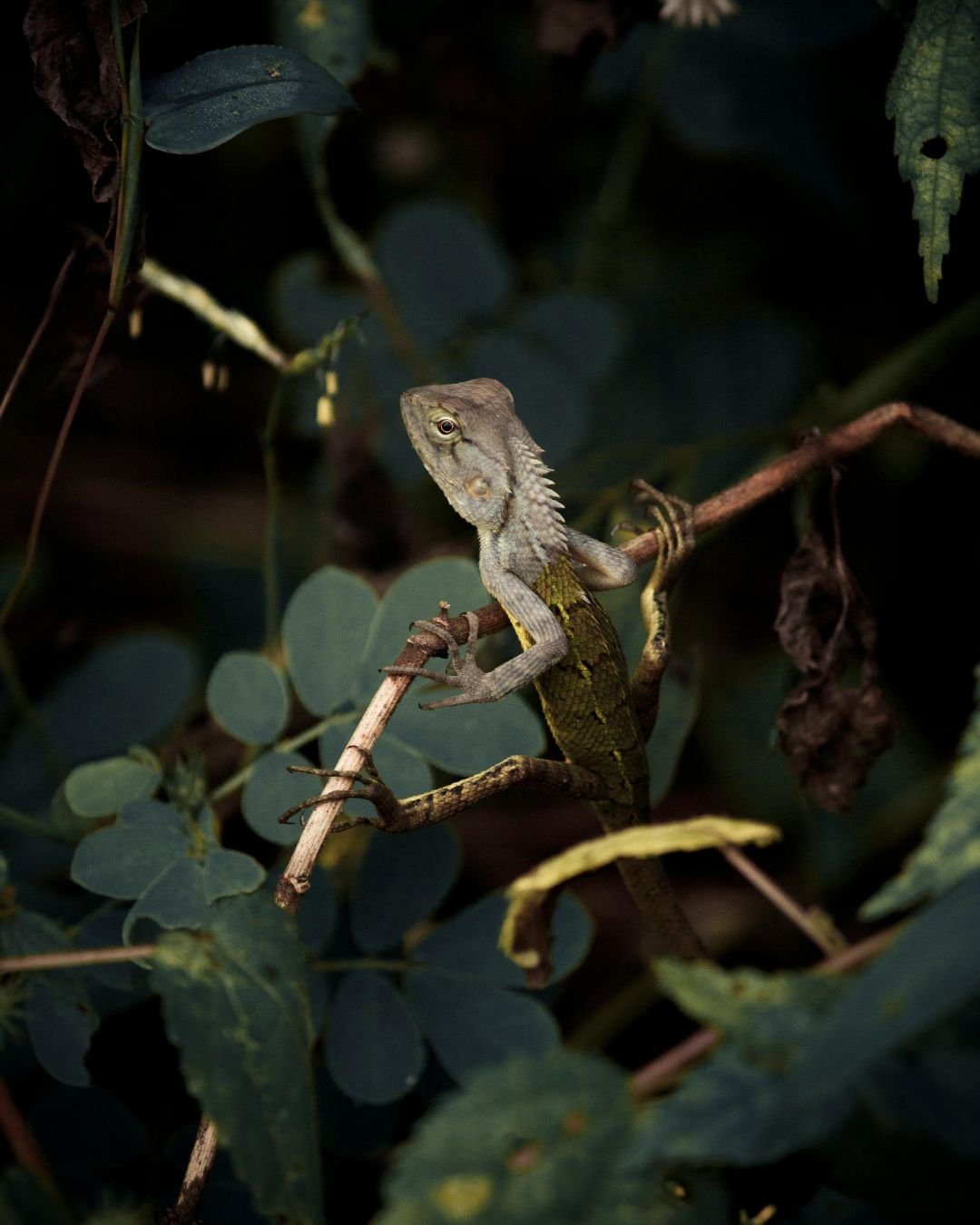
Coccidia is one of the most frequently diagnosed conditions in captive bearded dragons, and one of the most confusing for owners to understand. The confusion usually starts with the lab result: “Your dragon has coccidia.” Then: “Does that mean it’s sick? Does it need treatment? Will it always have it?”
The answers aren’t simple. Here’s the clear version.

Medication treats the dragon; it does nothing to the hardy oocysts waiting in the substrate. The step everyone skips, and the reason coccidia keeps coming back, is decontaminating the enclosure at the same time. Treat both, or you'll be back at the vet.
🦠 What Is Coccidia in Bearded Dragons?
Coccidia are single-celled protozoan parasites belonging to the genus Isospora (specifically Isospora amphiboluri in bearded dragons, though other species are sometimes found). They colonize the intestinal lining, where they complete their lifecycle, infecting cells, reproducing, and shedding oocysts (eggs) in the feces.
Here’s what most guides skip: coccidia are present in the gut of most captive bearded dragons at low levels. A low oocyst count on a fecal float is not automatically a diagnosis requiring treatment. Coccidia exist in an equilibrium state in many healthy dragons, the immune system keeps the population suppressed, and the dragon shows no symptoms.
The problem is when that equilibrium breaks down. Stress, illness, poor nutrition, incorrect temperatures, or immune suppression tip the balance, the coccidia population explodes, and the dragon becomes symptomatic.
This distinction, subclinical (present but controlled) versus clinical (out of control and causing disease), is what determines whether treatment is required.
⚠️ When Coccidia Becomes a Problem
Coccidia transition from subclinical to clinical (pathogenic) most commonly in the following circumstances:
Immune suppression from any cause:
- Suboptimal temperatures (reducing metabolic and immune function)
- Chronic stress (new environment, cohabitation, inadequate enclosure)
- Concurrent illness (respiratory infection, MBD, viral disease)
- Poor nutrition and supplementation
- Overuse of antibiotics (disrupting competing gut microbiome)
Diet-related gut disruption:
- High-sugar feeding (excess fruit) shifts gut pH and creates conditions where coccidia proliferate
- Sudden dietary changes that disrupt the intestinal environment
Overcrowded or unsanitary husbandry:
- Fecal contamination of food and water sources
- Group housing where oocyst load in the environment is high
Young dragons (under 6 months):
- Immune systems that aren’t fully developed have less capacity to maintain the suppression equilibrium
- Baby bearded dragons are the most vulnerable demographic
🔍 Symptoms of a Coccidia Outbreak
A dragon with controlled, subclinical coccidia shows no symptoms. A dragon with an active coccidia infection (coccidiosis) shows:
Early/mild:
A baby bearded dragon with active coccidiosis can deteriorate from mildly symptomatic to critically ill within days.
- Soft, slightly loose stools, more frequent than normal
- Reduced appetite
- Mild lethargy
Moderate:
- Diarrhea, watery, foul-smelling stools
- Mucus in the stool
- Weight loss
- Reduced activity and extended time hiding
- Progressive appetite loss
Severe (particularly in babies):
- Bloody diarrhea
- Significant dehydration (sunken eyes, skin wrinkling)
- Rapid weight loss
- Complete appetite loss
- Life-threatening dehydration and nutrient malabsorption in untreated young dragons
The escalation in babies is fast. A baby bearded dragon with active coccidiosis can deteriorate from mildly symptomatic to critically ill within days. Any diarrhea in a baby dragon with a positive coccidia test result is an urgent situation.
🧪 Diagnosis: How Coccidia Is Detected
Coccidia are diagnosed through fecal testing:
Fecal float: The standard initial test. A fecal sample is processed with a flotation solution that brings oocysts to the surface for microscopic examination. Reports oocyst count per slide view.
Fecal smear: A direct smear sometimes used alongside the float for detecting motile organisms.
PCR testing: More sensitive molecular testing available at some veterinary laboratories, detects coccidia DNA even at very low oocyst counts.
What the result means:
- Low oocyst count in a dragon with no symptoms → monitor, optimize husbandry, retest in 30-60 days
- High oocyst count or any count in a symptomatic dragon → treat
- Positive result in a baby dragon → treat regardless of count, given their vulnerability
Bring a fresh fecal sample (collected within 2-4 hours, stored in a sealed container) to the vet appointment. Fresher samples give more accurate results.
💊 Treatment: What the Protocol Actually Involves
Primary medication: Ponazuril (Marquis Paste / compounded ponazuril solution) is the current first-line treatment for coccidiosis in reptiles. It’s a coccidiostat, it stops the coccidia life cycle and allows the gut lining to recover.
Typical protocol:
- Ponazuril dose and duration is determined by the vet based on the dragon’s weight
- Most protocols run 3-5 days of treatment, sometimes with a repeat course 2-3 weeks later to address any newly hatched oocysts from cysts that were present during the first treatment
Supportive care during treatment:
- Daily warm baths to maintain hydration (coccidia causes significant fluid loss)
- Electrolyte supplementation if diarrhea has been significant (vet-guided)
- High-quality nutrition to support gut lining recovery
- Remove and discard substrate, reinfection from environmental oocysts is a primary reason treatment fails
Environmental decontamination is critical and frequently skipped. Coccidia oocysts are hardy:
- Completely discard and replace substrate
- Disinfect enclosure surfaces with a 10% bleach solution (allow to fully dry and off-gas before returning the dragon)
- Wash and disinfect all food and water dishes
- Wash hands thoroughly between handling and any food preparation
Without environmental decontamination alongside medication, reinfection is highly likely.
🔄 Will My Bearded Dragon Always Have Coccidia?
This is the question most owners are really asking, and the honest answer is: probably some level, yes. But that doesn’t mean your dragon will always be sick from it.
What “always have coccidia” actually means in practice:
A successfully treated dragon with optimized husbandry typically maintains coccidia at subclinical levels indefinitely. Oocyst counts on follow-up testing may show small numbers. That’s not treatment failure, that’s the normal equilibrium state.
What determines whether it stays subclinical:
- Maintaining correct temperatures (100-110°F basking)
- Consistent nutrition and supplementation
- Regular bathing and hydration
- Minimal stress (correct enclosure size, no cohabitation, stable environment)
- Avoiding high-sugar feeding that disrupts gut pH
- Annual fecal testing to catch any population increase before it becomes symptomatic
Reinfection is possible. A fully decontaminated dragon can acquire coccidia again through contaminated feeder insects, exposure to infected fecal material, or from another dragon. This is why fecal testing at annual vet visits is standard practice even in healthy dragons.
📚 Recommended Reading: Bearded Dragon Vitamins and Supplements: The Complete Guide to What’s Required.
🛡️ Prevention and Environmental Management
You can’t guarantee a coccidia-free dragon, but you can make active coccidiosis extremely unlikely:
Husbandry standards that suppress coccidia:
- Correct basking temperature (verified with infrared thermometer, replaced UVB bulb on schedule)
- Daily fresh greens and appropriate protein
- Calcium supplementation at every feeding for babies; 3-4x/week for adults
- Twice-weekly baths for hydration maintenance
- No cohabitation, group housing is the primary driver of high environmental oocyst load
Feeding hygiene:
- Never feed insects collected from potentially contaminated environments
- Don’t allow feeder insects to contact fecal material before feeding
- Remove uneaten food from the enclosure within a few hours
Quarantine new animals:
- Any new reptile entering a household should be quarantined for a minimum of 60-90 days and fecal-tested before any shared space or cross-contamination opportunity
Annual fecal testing:
- Baseline testing even in healthy dragons allows you to catch a population increase before the dragon becomes symptomatic
✅ Takeaways
- Coccidia are present in most captive bearded dragons at low levels, the immune system normally keeps them suppressed; disease occurs when that control fails
- Active coccidiosis causes diarrhea, mucus in stool, weight loss, and dehydration, babies are the most vulnerable and deteriorate fastest
- Diagnosis is through fecal float; low counts in asymptomatic dragons may only require monitoring, while symptomatic cases require treatment
- Ponazuril is the standard treatment; environmental decontamination alongside medication is essential, reinfection from oocysts in the enclosure defeats treatment
- Most treated dragons maintain coccidia at subclinical levels long-term, the goal is suppression through good husbandry, not elimination
- Annual fecal testing, correct temperatures, stress reduction, and feeding hygiene are the pillars of prevention
- Any baby dragon with diarrhea and a positive coccidia result is an urgent case, don’t wait and see
Common questions
Does a positive coccidia test mean my bearded dragon is sick?+
How is coccidia in bearded dragons treated?+
Will my bearded dragon always have coccidia?+

Beardies World Editorial Team
Every guide on Beardies World is written and maintained by our editorial team. We are not veterinarians, and these guides are general care information, not a substitute for an exam. If your dragon seems unwell, see a reptile vet. If you spot a mistake, email info@beardiesworld.com and we will correct it.
How we write and correct our guides →