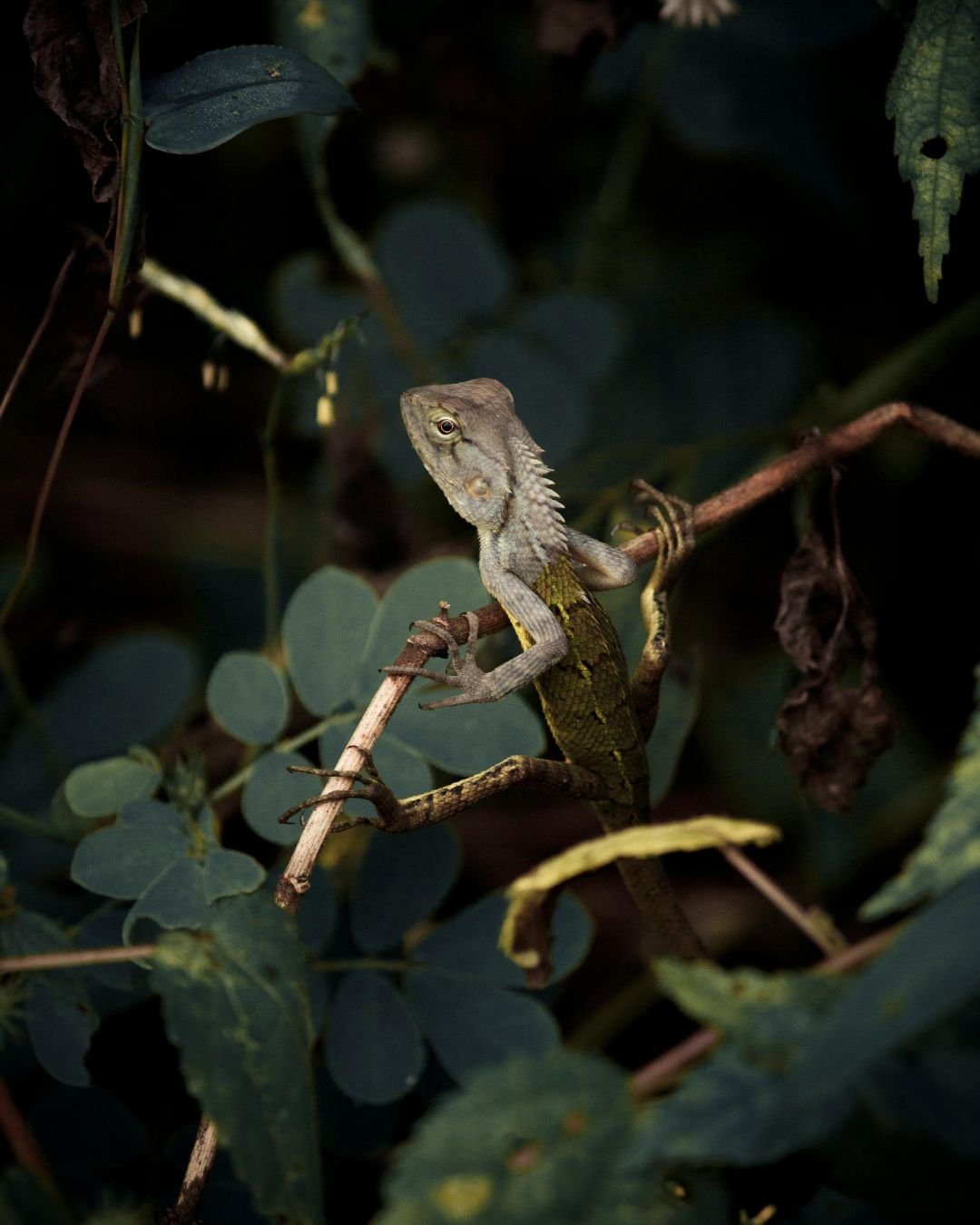
Most people pick their bearded dragon based on color, personality, and availability. Sex rarely enters the decision, until the female starts glass surfing and digging in December, or the male spends spring aggressively head-bobbing at everything in the room.
Sex differences in bearded dragons are real, predictable, and worth understanding before you commit to one. Here’s the full picture.

If you're choosing a female, know this before you commit: she will produce eggs whether or not she ever meets a male. That means 2-4 clutches a year, a permanent lay box from 12-18 months, extra calcium during gravid periods, and watching for egg binding. It's all manageable, but it's not optional, and most owners find out too late.
🔍 How to Tell Male from Female Bearded Dragons
Sexing a bearded dragon accurately requires examining the tail base, specifically the hemipenal bulges in males.
The flashlight method (most reliable):
Hold the dragon with its tail gently elevated and shine a flashlight through the base of the tail from the dorsal (top) side. In males, you’ll see two distinct bulges side by side (one on each side of the midline), the hemipenes. In females, you’ll see either a single central bulge or no distinct bulge at all.
Visual inspection of the underside:
- Males: Two visible hemipenal bulges on either side of the tail base when viewed from below, creating a distinctive double-bump appearance
- Females: Single central or no prominent bulge
Femoral pores:
On the underside of the rear legs, bearded dragons have a row of pores along the inner thigh. In males, these pores are larger, more pronounced, and often visible as distinct circular openings. In females, they are much smaller, sometimes barely visible.
Head and body size:
Adult males tend to have proportionally larger heads relative to body size, and broader heads overall. Not a reliable solo indicator, but useful in combination.
Accuracy by age: Sexing is most reliable after 3-4 months of age. Hatchlings and very young babies are difficult to sex accurately even with flashlight method. Most reputable breeders can sex reliably by 8-10 weeks.
📏 Size and Physical Differences
Males are generally larger than females across all measurements:
| Measurement | Male | Female |
|---|---|---|
| Adult length | 18-24 inches (45-61cm) | 16-20 inches (40-51cm) |
| Adult weight | 400-700g | 300-500g |
| Head width | Broader relative to body | Narrower relative to body |
| Beard | Larger, darker when displayed | Smaller, rarely displays fully black |
| Overall build | More muscular appearance | Slightly slimmer |
These are ranges, individual variation is significant. A large female can exceed a small male in total length. Use sexing method, not size, to determine sex.
Head bobbing and dominance display: More frequent, more intense, and more sustained, particularly during spring and after brumation.
🧠 Behavioral Differences: What to Actually Expect
Males:
Head bobbing and dominance display: More frequent, more intense, and more sustained, particularly during spring and after brumation. Males in their breeding season peak may bob persistently, darken their beards, and become restless in ways that owners sometimes mistake for illness or aggression.
Territorial behavior: Males are more reactive to perceived rivals, including their own reflection, other dragons in adjacent enclosures, and images of other lizards on screens. This can manifest as persistent glass surfing and dark bearding during certain seasons.
Toward owners: Most adult males are relaxed and handleable with consistent socialization. The seasonal hormonal peaks require management, increased out-of-enclosure time and reduced enclosure reflection help, but they pass.
Consistency: Outside of breeding season, males tend to have more consistent behavior day to day. No gravid cycles, no egg-related restlessness.
Females:
Gravid behavior: Once sexually mature (12-18 months), females undergo 1-3 gravid cycles per year regardless of whether a male is present. Each cycle involves 2-4 weeks of increasing restlessness, glass surfing, digging behavior, and appetite changes. This is predictable and manageable, but it requires preparation (lay box, calcium supplementation increase) and ongoing attention.
Brumation: Females brumate similarly to males. Some keepers report females entering brumation more reliably, but individual variation is significant.
Baseline temperament: Many keepers report adult females as slightly calmer outside of gravid periods, less display behavior, less seasonal intensity. This is individual-dependent and not a reliable generalization.
🥚 The Egg Production Reality for Female Owners
This is the information that most prospective female owners don’t get until after they’ve committed:
Every sexually mature female produces eggs. No male required. The eggs are infertile but the reproductive cycle, and its demands, is identical to a mated female’s.
Frequency: Most females produce 2-4 clutches per year, each containing 15-35 infertile eggs. Some females produce more, some less.
The physical cost: Each clutch depletes significant calcium and energy reserves. A female without adequate calcium supplementation during gravid periods develops calcium deficiency faster than males in equivalent conditions. Females are more vulnerable to MBD than males when husbandry is marginal.
The management requirement: Every adult female needs:
- A permanent lay box (available from 12-18 months onward)
- Increased calcium supplementation during gravid periods
- Monitoring for egg binding (dystocia)
- Post-lay recovery care including rehydration and high-protein meals
The egg binding risk: Egg binding is a life-threatening emergency. Females without a suitable lay site develop dystocia, eggs they cannot pass. This is preventable with a proper lay box but requires the owner to recognize gravid behavior and respond.
The cumulative impact: Female bearded dragons that experience repeated gravid cycles without adequate nutritional recovery age faster physiologically than males. The reproductive demand is real and ongoing.
💕 Reproductive Considerations for Males
Males don’t produce eggs, but they have their own reproductive season considerations:
Post-brumation mating drive: In the weeks following brumation, males frequently enter a period of intense behavioral display, persistent head bobbing, dark bearding, glass surfing, and strongly increased feeding drive. This is hormonally driven and passes within 4-8 weeks.
Hemipenal prolapse: Rarely, a hemipenis can fail to retract after eversion during mating behavior or aggressive display. Prolapse requires same-day veterinary attention. More common in breeding animals but can occur in any male.
Sperm plugs: Males occasionally form waxy sperm plugs in the hemipenal pockets. These appear as off-white waxy material near the vent and are usually shed naturally. Retained plugs occasionally require manual removal (with vet guidance or by a vet).
🏥 Health Considerations by Sex
| Condition | More Common In | Notes |
|---|---|---|
| Metabolic bone disease | Females | Calcium depletion from egg production amplifies risk |
| Egg binding (dystocia) | Females only | Life-threatening; requires lay box provision |
| Fatty liver disease | Both (males with overfeeding) | Males more vulnerable to obesity from dietary excess |
| Hemipenal prolapse | Males only | Rare; requires prompt veterinary care |
| Sperm plugs | Males only | Usually self-resolving; monitor |
| Gravid-related stress | Females | Annual cycles create predictable stress periods |
Neither sex is inherently “healthier”, the risk profiles are different. Male health vulnerabilities concentrate in overfeeding/obesity. Female health vulnerabilities concentrate in reproductive demands.
⚖️ Which Sex Makes a Better Pet?
Neither sex is objectively better. The right choice depends on what you’re prepared to manage:
Choose a male if:
- You want a simpler year-round management routine
- You don’t want to deal with gravid cycles, lay boxes, and egg production
- You find display behavior (head bobbing, territorial posturing) interesting rather than annoying
- You want a slightly larger dragon
Choose a female if:
- You’re prepared to manage gravid cycles with lay boxes and increased supplementation
- You prefer generally calmer year-round behavior outside of gravid periods
- You find the reproductive biology interesting
- Size is a factor (females are slightly smaller)
What both require equally: Correct temperatures, quality UVB, consistent supplementation, appropriate diet, annual vet visits, and attentive daily observation. Sex is a modifier on those requirements, not a replacement for them.
📚 Recommended Reading: Baby Bearded Dragon Care: The Complete First-Year Guide.
✅ Takeaways
- Sex is determined by hemipenal bulges (flashlight method) and femoral pore size, not reliably by size or coloration alone
- Males are larger, display more territorial and dominance behavior, and have more intense post-brumation seasonal drives, but are simpler to manage year-round
- Females undergo 2-4 gravid cycles annually regardless of male contact, each requires a lay box, increased calcium, and post-lay recovery attention
- Egg binding is a life-threatening condition preventable with a proper lay box, this is the most important female-specific health consideration
- Females are more vulnerable to MBD than males when supplementation is marginal because egg production depletes calcium continuously
- Neither sex is universally “better”, the decision hinges on whether you’re prepared for the specific management demands of each
- Both sexes thrive equally with correct husbandry; sex shifts the specific risk profile, not the overall care requirement
Common questions
How can you tell if a bearded dragon is male or female?+
Do female bearded dragons lay eggs without a male?+
Is a male or female bearded dragon better as a pet?+

Beardies World Editorial Team
Every guide on Beardies World is written and maintained by our editorial team. We are not veterinarians, and these guides are general care information, not a substitute for an exam. If your dragon seems unwell, see a reptile vet. If you spot a mistake, email info@beardiesworld.com and we will correct it.
How we write and correct our guides →