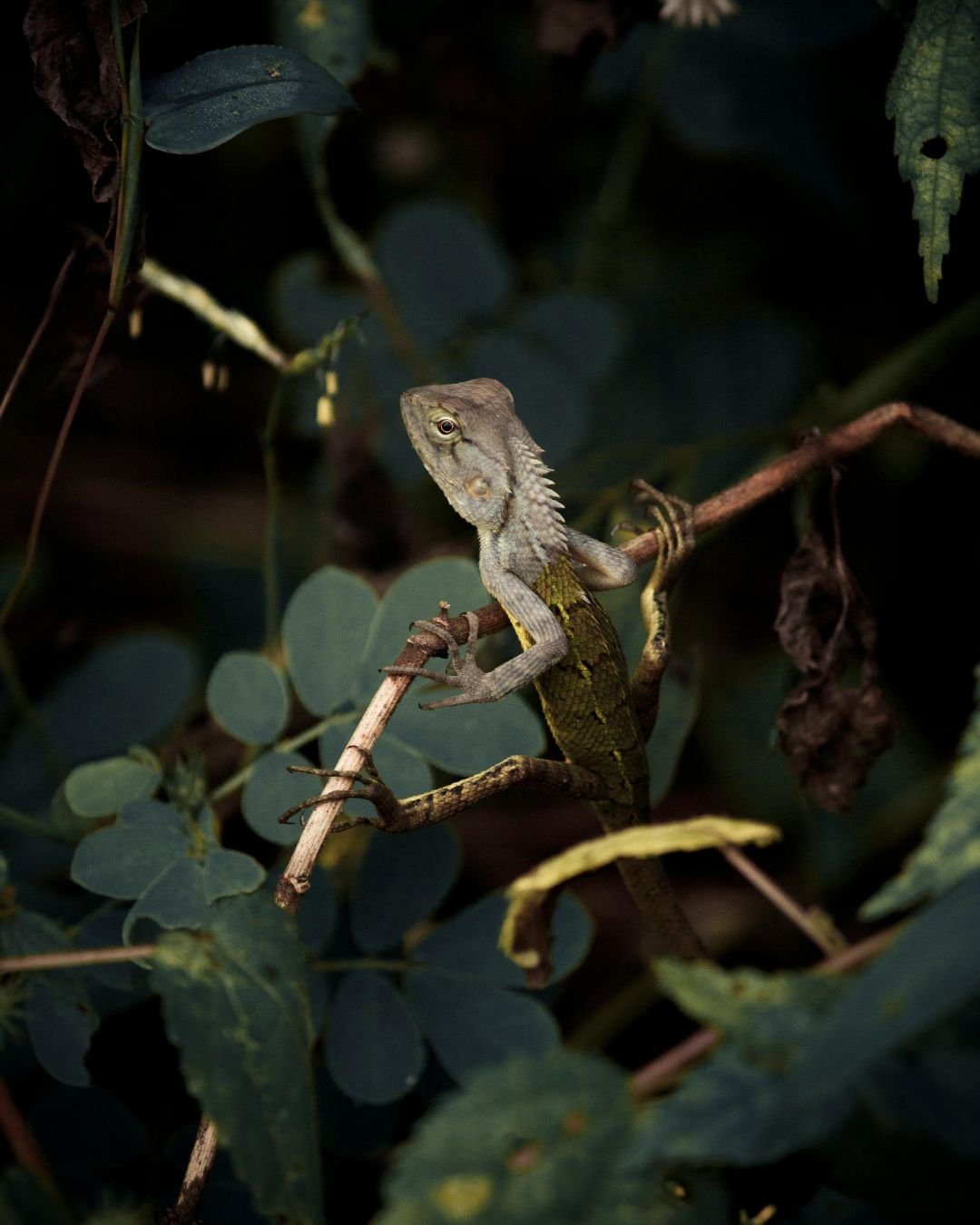
A bearded dragon with its mouth open looks alarming the first time you see it. It also looks alarming the twentieth time until you understand what it actually means because most of the time, it means nothing is wrong at all.
The challenge is that open-mouth behavior can be normal thermoregulation or the early sign of a respiratory infection. The difference in outcome between “leave it alone” and “get to a vet” is significant enough that you need to read this correctly.

Two questions sort a normal gape from a sick dragon: WHERE is it happening, and can you hear it? Gaping at the basking spot, silently, that stops within minutes is textbook thermoregulation. Open-mouth breathing away from the heat, or with any wheeze, click, or rattle, is a respiratory infection until a vet says otherwise.
👄 Why Bearded Dragons Open Their Mouths: Quick Overview
Bearded dragons are ectotherms without sweat glands. They can’t cool down the way mammals do. Opening the mouth, a behavior called gaping, is one of the primary mechanisms they use to release excess heat from the basking area.
That’s the most common explanation. But open-mouth behavior also appears in threat displays, early respiratory infections, mouth rot, shedding discomfort, and stress responses. Each has a distinct set of accompanying signs that make them identifiable if you know what to look for.
🌡️ Reason 1: Gaping, Normal Thermoregulation
Gaping is the most common open-mouth behavior in bearded dragons, and it’s completely normal. When a bearded dragon reaches its target body temperature while basking and needs to prevent overheating, it opens its mouth to release heat through evaporative cooling from the mucous membranes.
Signs this is normal gaping:
- Occurs specifically while basking under the heat lamp
- Dragon appears relaxed, body flat, eyes open normally, no body darkening from stress
- The mouth closes again after a few minutes once the dragon moves to a cooler area
- The dragon is otherwise active, eating normally, and behaving normally
What to do: Nothing. Gaping is the correct physiological response to reaching basking temperature. If it’s happening constantly without resolution, verify that the basking spot isn’t running too hot (above 115°F), the dragon shouldn’t need to gape indefinitely if the temperature gradient is correct.
Here’s where things change: gaping that occurs away from the basking spot, on the cool side, in a hide, or at night, is not thermoregulatory. That context shift changes the diagnostic picture entirely.
😤 Reason 2: Threat Display
Bearded dragons use open-mouth posturing as an intimidation signal. A dragon that feels threatened, cornered, or challenged may open its mouth wide, puff out its beard, darken, and sometimes hiss.
Signs this is a threat display:
If this is happening during handling, put the dragon down calmly and try again later.
- Occurs in response to a specific stimulus: unfamiliar person approaching, another animal visible, being picked up when not calm
- Accompanied by beard darkening, body flattening, and puffing
- The dragon’s attention is directed at the perceived threat
- Resolves quickly once the stimulus is removed
What to do: Remove the stressor. If this is happening during handling, put the dragon down calmly and try again later. Frequent threat displays during routine interactions indicate the dragon hasn’t been adequately socialized. Short, positive, low-stress handling sessions over several weeks typically resolve this.
🤒 Reason 3: Respiratory Infection
This is the cause that makes open-mouth behavior medically significant, and it’s important to identify it correctly.
Respiratory infections (RI) in bearded dragons are usually bacterial in origin and develop in enclosures with insufficient temperatures, excessive humidity, or poor ventilation. A dragon with an RI cannot breathe comfortably through its nostrils and opens its mouth to compensate.
Signs an RI is the cause:
- Open-mouth breathing that occurs throughout the day, not just while basking
- Audible sounds: wheezing, clicking, rattling, or labored breathing
- Mucus or discharge from the nose or mouth
- Lethargy and appetite loss
- Throat or chest that appears to move more than normal with each breath
- Tilted head while breathing
What to do: This requires veterinary attention. Respiratory infections in bearded dragons worsen without antibiotic treatment and can become life-threatening if pneumonia develops. Don’t wait to see if it resolves.
Prevent RI by maintaining the correct temperature gradient (basking 100-110°F, cool side 80-85°F), proper ventilation (screened tops, not sealed enclosures), and keeping nighttime temps above 65°F without exceeding humidity levels appropriate for arid habitats (30-40% relative humidity).
🔄 Reason 4: Shedding Discomfort
During active shedding cycles, particularly when skin is pulling away around the head and jaw, bearded dragons sometimes open their mouths repeatedly as a way to flex the jaw skin and facilitate loosening.
Signs shedding is the cause:
- Dull, grayish skin tone overall
- Skin beginning to separate around the face and jaw
- Opening and closing of the mouth in a flexing pattern, rather than holding it open
- No accompanying respiratory sounds or discharge
What to do: Support the shed with 20-minute lukewarm baths every 2-3 days. Gentle misting of the head area can also help. The behavior resolves on its own once the facial shed completes.
😖 Reason 5: Mouth Rot (Stomatitis)
Infectious stomatitis, commonly called mouth rot, is a bacterial infection of the oral cavity that causes significant discomfort and leads dragons to hold their mouths slightly open, particularly after eating.
Signs mouth rot is the cause:
- Partially open mouth that seems to be held open with effort, not gaping wide
- Visible signs in the mouth: yellow or grey discharge, cheesy-looking mucus, inflamed or discolored gum tissue
- Reluctance to eat, particularly hard-bodied feeders
- Swelling around the jaw from the outside
- Foul smell from the mouth
What to do: Mouth rot requires veterinary treatment, typically oral antibiotics and, in some cases, debridement of infected tissue. Don’t delay treatment; untreated stomatitis spreads to the bone and becomes significantly more difficult to treat.
Causes to address: Mouth rot develops most commonly from bite wounds from feeder insects, abrasions from enclosure decor, and immune suppression from suboptimal temperatures or nutrition. Address the root cause alongside treatment.
😮 Reason 6: Stress or Overstimulation
Acute stress or significant overstimulation can cause brief open-mouth breathing in bearded dragons, particularly during handling or transportation.
Signs stress is the cause:
- Occurs during a specific stressful event
- Brief in duration, seconds to a few minutes
- Resolves once the stressor ends
- No accompanying discharge, sounds, or persistence after the event
This is a benign acute response. However, if your dragon consistently shows stress-breathing during routine handling, it indicates the handling is exceeding the dragon’s current comfort threshold.
🔍 How to Tell Normal Gaping From a Health Problem
Use this framework before deciding whether to act:
| Factor | Normal Gaping | Possible Health Problem |
|---|---|---|
| When does it occur? | Only at the basking spot | Throughout the enclosure, away from heat |
| What does the dragon look like? | Relaxed, flat body posture | Lethargic, stressed, or labored |
| Any sounds? | Silent | Wheezing, clicking, rattling |
| Any discharge? | None | Mucus from nose or mouth |
| How long does it last? | Minutes, then stops | Persistent throughout the day |
| Is the dragon eating normally? | Yes | Reduced or absent appetite |
| Any other symptoms? | No | Lethargy, abnormal coloring, weight loss |
If any of the “Possible Health Problem” column applies, move from observation to action.
🚨 When Open-Mouth Behavior Requires a Vet Visit
Schedule a vet appointment if:
- Open-mouth breathing occurs away from the basking area
- Any audible sound accompanies the breathing
- Discharge is visible from the nose or mouth
- The behavior persists for more than 24 hours without resolution
- Any signs of mouth rot (yellow/grey discharge, inflamed gum tissue, reluctance to eat)
- The dragon is lethargic or off food alongside open-mouth behavior
- Head tilting or other neurological signs are present
📚 Recommended Reading: Baby Bearded Dragon Care: The Complete First-Year Guide.
✅ Takeaways
- Open-mouth behavior (gaping) during basking is normal thermoregulation, a bearded dragon cooling itself at target temperature
- Gaping that occurs away from the basking spot, with audible sound, or with discharge is a sign of respiratory infection requiring vet treatment
- Threat displays combine open mouth with beard darkening, body flattening, and directed attention toward a stimulus. They resolve when the stressor is removed
- Mouth rot causes a held-open appearance with visible oral discharge, jaw swelling, and eating reluctance, requires veterinary antibiotic treatment
- Shedding discomfort causes a flexing open-and-close pattern rather than sustained gaping, and resolves with the shed cycle
- The context of where and when the mouth opens is the most important diagnostic factor, basking gaping vs. off-basking breathing are fundamentally different
- Any open-mouth behavior accompanied by audible breathing sounds or discharge should be treated as a potential respiratory infection until proven otherwise
Common questions
Why does my bearded dragon keep opening its mouth?+
How do I know if open-mouth breathing is a respiratory infection?+
When should a bearded dragon's open mouth worry me?+

Beardies World Editorial Team
Every guide on Beardies World is written and maintained by our editorial team. We are not veterinarians, and these guides are general care information, not a substitute for an exam. If your dragon seems unwell, see a reptile vet. If you spot a mistake, email info@beardiesworld.com and we will correct it.
How we write and correct our guides →